Durable Outdoor Furniture for Hospitality: 2026 Guide
Table of Contents
- What Makes Outdoor Furniture Commercial Grade for Hospitality
- The Best Materials for Commercial Outdoor Furniture
- Lifecycle Cost Analysis: Why Cheap Patio Seating Costs More
- Climate-Specific Recommendations for Durable Outdoor Furniture for Hospitality
- ADA Compliant Outdoor Seating: What Operators Must Get Right
- An Outdoor Furniture Maintenance Guide for High-Traffic Venues
- Sustainability, Circularity, and Space Optimization
- Conclusion
- Frequently Asked Questions
Last Updated: September 13, 2026
What Makes Outdoor Furniture Commercial Grade for Hospitality
Durable outdoor furniture for hospitality survives constant use, weather, and turnover that residential pieces were never designed for. At Orvessa Global, we work with hoteliers, designers, and short-term rental operators every week, and the same question comes up: what separates contract furniture from patio seating that looks identical in a showroom photo? Structural engineering and finish quality, not aesthetics.
A commercial-grade piece earns that label through three things: a frame rated for repeated load cycles, a finish that resists corrosion under constant moisture, and hardware that will not loosen after a season of heavy traffic. Residential furniture is tested for occasional use; hospitality furniture is tested daily by strangers who do not treat it gently.
Below, we break down exactly how to evaluate durability, which materials hold up, and what your seating actually costs over its full service life.
The Best Materials for Commercial Outdoor Furniture
The best materials for commercial outdoor furniture are powder-coated aluminum, HDPE recycled plastic, all-weather wicker over a metal frame, and composite materials. Each solves a different problem, and the right choice depends on your climate, design intent, and how much maintenance your team can handle. The mistake most buyers make is choosing by look instead of by the failure mode the piece must survive.

Powder-Coated Aluminum and Rust-Resistant Frames
Powder-coated aluminum is the default choice for high-traffic hospitality venues, and for good reason. The coating is applied electrostatically and cured under heat, creating a finish that resists chipping, fading, and corrosion far better than wet paint. Aluminum itself does not rust, which matters enormously for patio seating near pools, coastlines, or anywhere with salt in the air.
What most buyers miss is that powder coat thickness matters as much as its existence. Thin coatings fail at the joints first, where moisture collects and movement stresses the finish. Look for welded, not bolted, joints at high-stress points, and confirm the coating is a polyester or polyester-hybrid powder rather than a thin decorative coat. Specifiers typically ask for a coating thickness in the range of a few mils plus a pretreatment (chromate or non-chromate conversion coating), because powder sprayed onto bare, unprepared aluminum adheres poorly and chips at the edges within a season.
Fasteners deserve the same scrutiny. Stainless steel hardware, ideally 304 or 316 grade, prevents the galvanic corrosion that occurs when dissimilar metals meet in wet, salty air. A powder-coated aluminum frame held together with zinc-plated bolts will still fail at the bolt, even though the frame itself never rusts.
HDPE Recycled Plastic, All-Weather Wicker, and Composite Materials
HDPE recycled plastic is the most maintenance-free option. It will not splinter, crack, or fade under UV exposure, and it cleans with soap and water. The trade-off is aesthetic: HDPE reads as casual rather than refined, limiting it to pool decks and casual dining areas. It is also heavy and does not flex, so it is a poor fit for pieces that must be moved or stacked frequently.
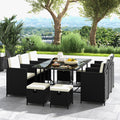
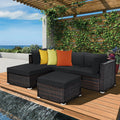
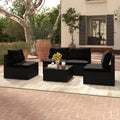
All-weather wicker wraps a rust-resistant metal frame in UV-stabilized synthetic strands, delivering the woven look guests associate with resort lounges while holding up to sun and rain. The durability variable is the weave: high-density polyethylene strands with UV inhibitors outperform PVC strands, which become brittle and crack. A tight, high-strand-count weave resists snagging and hides frame flex better than an open weave, and it is worth asking whether the frame underneath is aluminum or steel, because a wicker skin over a steel frame will eventually show rust stains bleeding through the weave.
Composite materials blend wood flour or polymer with binding agents to mimic timber without the rot, making them a strong fit for outdoor dining tables and modular seating. The trade-offs are weight, color fading in some formulations, and difficulty repairing cleanly, so a chipped or gouged tabletop often means replacement rather than touch-up.
Matching Material to Climate
Climate drives material selection more than any design preference, and this is where a generic material list fails. A set that performs beautifully in a dry, mild region can fail within two seasons in a humid coastal market.
- Coastal and salt-air environments: Powder-coated aluminum frames with marine-grade stainless hardware. Avoid untreated steel entirely, and rinse frames monthly to remove salt residue, which accelerates galvanic corrosion at every fastener and joint.
- Humid and rainy regions: HDPE recycled plastic or powder-coated aluminum. Choose quick-drying outdoor upholstery and avoid cushion fills that trap moisture, because trapped moisture grows mildew inside a cushion rather than on it.
- Desert and high-UV climates: UV-stabilized all-weather wicker and fade-resistant fabrics. Intense sun breaks down inferior finishes and low-grade resins faster than rain does, so UV inhibitors in the resin matter more here than water resistance.
- Cold and freeze-thaw regions: Materials that will not crack when temperatures swing. Stackable designs let you store seating during the worst months, and avoiding hollow sections that collect and freeze water prevents the split frames that show up every spring.
For operators running properties across multiple regions, this is where a single vendor with a cohesive catalog saves real headaches. Orvessa Global's hospitality collections are built around powder-coated aluminum and rust-resistant frames that perform across these climate zones without forcing you to mix incompatible finishes.
Lifecycle Cost Analysis: Why Cheap Patio Seating Costs More
Cheap patio seating almost always costs more over time, because the purchase price is the smallest part of the total cost. Lifecycle cost analysis adds up acquisition, maintenance, replacement, and disposal across the years you own the piece.
Consider two dining chairs. A low-cost chair might need replacement every two to three seasons under heavy use. A commercial-grade chair with a powder-coated aluminum frame and fade-resistant outdoor upholstery typically serves five to seven years or more with routine care. Factor in the labor to source, receive, assemble, and dispose of replacements, plus the guest experience cost of worn furniture in photos and reviews, and the cheaper chair loses badly.

| Cost Factor | Budget Patio Seating | Commercial-Grade Seating |
|---|---|---|
| Replacement cycle | 2-3 seasons | 5-7+ seasons |
| Annual maintenance | Frequent touch-ups | Routine cleaning |
| Labor to replace | Repeated sourcing and setup | One-time setup |
| Guest perception | Wears visibly, fast | Holds finish longer |
Climate-Specific Recommendations for Durable Outdoor Furniture for Hospitality
ADA Compliant Outdoor Seating: What Operators Must Get Right
ADA compliant outdoor seating is not optional for most hospitality venues, and it is one of the most commonly botched elements of an outdoor build-out. The rules govern clear floor space, accessible routes, and the number of accessible seating positions relative to total seating.
The practical requirements operators consistently miss:
- Accessible routes must connect outdoor seating to the entrance without steps or steep slopes.
- Accessible tables need adequate knee and toe clearance underneath, which rules out many decorative pedestal bases (access-board.gov).
- A portion of seating must provide accessible table surfaces at the correct height.
- Aisles between tables must stay wide enough for a wheelchair to pass, which directly limits how tightly you can pack a patio.
Check the current requirements against the ADA Standards for Accessible Design before you finalize a layout. Retrofitting clearance after furniture is installed means returning pieces and reconfiguring the whole space.
An Outdoor Furniture Maintenance Guide for High-Traffic Venues
An outdoor furniture maintenance guide for high-traffic venues comes down to frequency and consistency, not complicated products. Most premature furniture failure is not a manufacturing defect but skipped cleaning, ignored hardware, and cushions left out through the off-season. A maintenance program interrupts the specific mechanisms that destroy commercial furniture: salt and chloride attack at fasteners, UV breakdown of resins and fabrics, moisture trapped inside cushion cores, and abrasion at contact points.
Daily, Monthly, and Seasonal Cleaning Routines
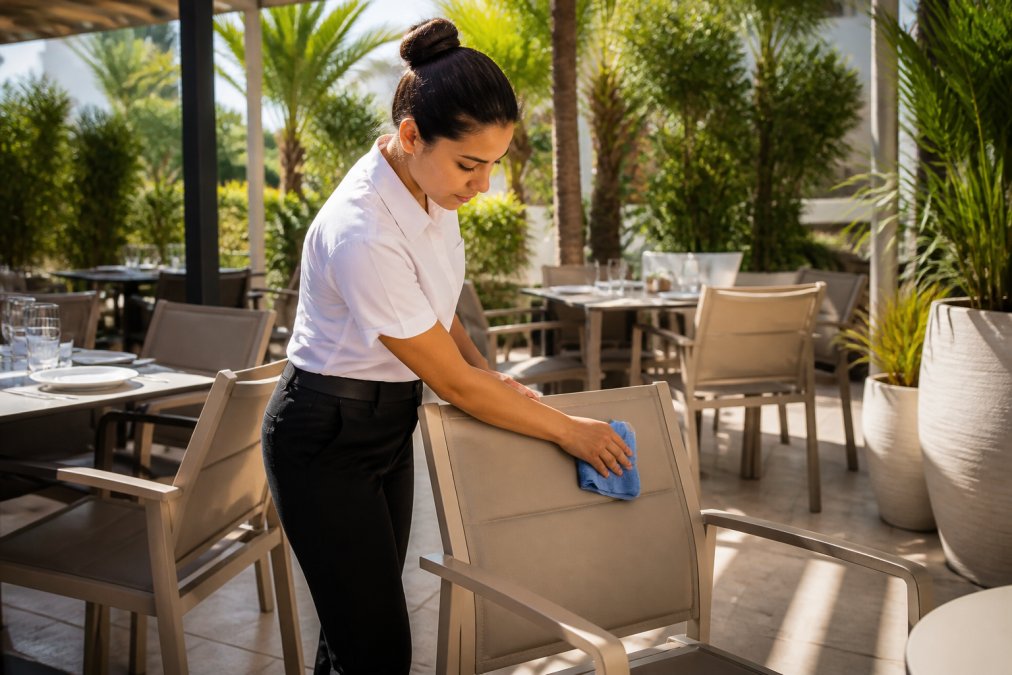
Daily care takes minutes and prevents most long-term damage. Wipe tabletops and armrests, shake out or rotate cushions, and clear food debris before it stains outdoor upholstery. A common mistake is using abrasive cleaners on powder-coated finishes, which dulls the surface and accelerates fading. Mild soap, warm water, and a soft cloth are almost always right; abrasive pads and solvents remove the very coating that protects the aluminum.
Monthly, inspect every frame joint and tighten hardware. Check the finish at stress points for chips, and touch up any bare metal immediately, because that is where corrosion starts. On coastal properties, a monthly fresh-water rinse removes the salt film that drives galvanic corrosion, one of the highest-return tasks on the list. Lubricate or inspect moving parts, such as folding or swivel mechanisms, before grit grinds the joint.
Seasonal deep cleans should include a full wash of frames and fabric, plus storage of stackable pieces during your slow months. For material-specific care standards, the Outdoor Power Equipment Institute and manufacturer guidance are useful starting points, but always follow the care instructions that ship with your specific pieces.
Material-Specific Care
The right procedure depends on the material, and using one routine across every material is how venues damage their own furniture.
- Powder-coated aluminum: Wash with mild soap and water, rinse thoroughly, and dry. Touch up chips at joints and edges with matching touch-up paint before corrosion begins. Avoid pressure washing at seams, which can force water under the coating.
- HDPE recycled plastic: The easiest material to maintain. Soap, water, and a soft brush handle most soiling. For scuffs, a non-abrasive cleaner is usually enough; avoid solvents that dull the surface.
- All-weather wicker: Rinse the weave to clear dust and pollen between strands, and use a soft brush on stubborn spots. Check annually for loose or broken strands, because a single snagged strand can unravel a section of weave.
- Outdoor upholstery and cushions: Brush off debris, spot clean with a mild solution, and let cushions dry fully on both sides before returning them to the frame. Never store cushions damp, because trapped moisture produces mildew and odor inside the foam.
- Metal hardware and glides: Inspect for tightness and replace worn glides, which protect both the frame and the deck surface from abrasion.
A Simple Inspection Cadence
A written cadence keeps maintenance from depending on whoever is on shift: a daily wipe-down of high-touch surfaces, a monthly hardware and finish inspection, and a seasonal deep clean tied to your slow period. Logging what you find, such as recurring chips at a particular joint, turns maintenance into a signal about which pieces are failing early and where a different specification would pay off next time.

Sustainability, Circularity, and Space Optimization
Sustainability and space optimization are converging in hospitality furniture design, and both affect your bottom line. HDPE recycled plastic and recyclable aluminum frames keep material in circulation rather than in a landfill. Modular and stackable designs let a venue reconfigure for events without buying new inventory, and they store in a fraction of the floor space.
The circularity argument is practical, not just ethical. Furniture that can be repaired, reupholstered, or reconfigured extends its service life, lowering your cost per season and reducing the waste and labor of full replacements. Specifying stackable, modular pieces from the start builds flexibility into the property instead of paying for it later.
Conclusion
Specifying durable outdoor furniture for hospitality is a financial decision as much as a design one. The venues that get it right choose commercial-grade materials, plan for their climate, confirm ADA compliance before ordering, and commit to a maintenance routine that protects the investment.
Orvessa Global supports that process with curated hospitality collections built on powder-coated aluminum and rust-resistant frames, volume pricing for multi-unit projects, white-glove delivery, and dedicated account management from a team that understands hospitality design. Get started with Orvessa Global and furnish outdoor spaces that hold their finish through years of heavy use.
Frequently Asked Questions
What makes outdoor furniture commercial grade?
Commercial-grade furniture is built to survive daily use in restaurants, hotels, and rentals. Look for powder-coated aluminum or rust-resistant frames, UV-stabilized fabrics, and weight ratings that handle constant seating and shifting. The difference shows up in structural integrity: welded joints, reinforced legs, and fade-resistant finishes that hold up through years of sun, rain, and heavy traffic.
How do you maintain outdoor furniture in high-traffic hospitality environments?
Wipe frames and tables daily with a mild soap solution, and rinse cushions monthly to remove sunscreen and food residue. Check bolts and glides every quarter and tighten as needed. Deep-clean all-weather wicker and rope with a soft brush twice a year. In coastal settings, rinse salt spray weekly to protect the finish. A written outdoor furniture maintenance guide with assigned staff roles keeps small issues from becoming replacement costs.
What materials are best for outdoor furniture in coastal hospitality settings?
Powder-coated aluminum is the strongest choice for salt air because it resists corrosion without rusting. Pair it with UV-stabilized olefin or solution-dyed acrylic cushions, and choose HDPE recycled plastic or composite materials for tables and benches. Avoid untreated steel and standard wood finishes near the ocean. Rinsing frames weekly removes salt buildup, which is the main cause of early finish failure in coastal venues.
What are the ADA requirements for commercial outdoor seating?
Under the ADA Standards for Accessible Design, accessible outdoor dining areas need clear routes at least 36 inches wide and 5 percent of seating (minimum one table) accessible. Accessible tables require knee clearance of 27 inches high, 30 inches wide, and 19 inches deep, with tops between 28 and 34 inches. Fixed seating must have companion space. Check local code for patio-specific rules, and verify clear floor space at each accessible table.
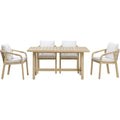
A note on product selection: Our Modern 7PC Outdoor Patio Aluminum Dining Set and 6-Piece Aluminum Patio Furniture Set are both built on weatherproof, rust-free aluminum frames with UV-resistant materials, making them strong starting points for high-traffic outdoor dining and lounge areas.