How to Furnish Airbnb Properties: A 2026 Guide
Table of Contents
- The Real Cost to Furnish an Airbnb: Budgeting for ROI
- Why Commercial Grade Furniture for Short Term Rentals Matters
- Your Room-by-Room Airbnb Furniture Checklist
- Design for the Listing Photo, Not Just the Stay
- Plan for Wear: Safety, Maintenance, and Replacement Cycles
- Your Furnishing Strategy: Packages vs. Sourcing Yourself
- Conclusion: Build a Space That Earns Five-Star Reviews
- Frequently Asked Questions
Last Updated: September 9, 2026
The Real Cost to Furnish an Airbnb: Budgeting for ROI
Furnishing a short-term rental is a capital expenditure that directly shapes your occupancy rate and nightly rate, yet most hosts treat it as a shopping spree rather than a strategic decision about how to furnish airbnb properties for maximum return. The cost to furnish an Airbnb varies dramatically based on property size, quality tier, and whether you buy retail or through a hospitality supplier. A common approach is to allocate a percentage of your projected annual revenue toward furnishing (investopedia.com).
What Hosts Actually Spend Per Room
Industry benchmarks from property management forums and host surveys consistently show that a mid-tier furnishing budget lands between $3,000 and $5,000 per room for a turnkey setup. Here is how that typically breaks down for a two-bedroom unit:
| Room | Budget Range | What It Covers |
|---|---|---|
| Living Room | $1,800 - $3,000 | Sofa, coffee table, media console, rug, lighting, wall art |
| Kitchen | $800 - $1,500 | Cookware, dishware, utensils, small appliances, bar stools |
| Primary Bedroom | $1,200 - $2,000 | Mattress, frame, bedding, nightstands, lamps, luggage rack |
| Second Bedroom | $1,000 - $1,700 | Mattress, frame, bedding, dresser, mirror |
| Bathroom | $300 - $600 | Towels, shower curtain, bath mat, storage caddy, hooks |
| Entryway & Extras | $400 - $800 | Coat rack, welcome mat, safety kit, starter supplies |
These figures assume new retail furniture from mid-tier suppliers like IKEA, Wayfair, or Target. Sourcing from hospitality liquidators or wholesale suppliers can reduce these numbers by 20-30 percent; designer pieces or custom builds will double them.
Budgeting Against Revenue, Not Square Footage
A more reliable method than square footage is tying your furnishing spend to projected annual revenue. Most property managers target 10 to 15 percent of the first year's gross rental income. For a property generating $40,000 annually, that means a furnishing budget of $4,000 to $6,000, ensuring your capital outlay is proportional to the income the property can generate.
The Hidden Cost of Under-Budgeting
The single biggest mistake is under-budgeting for durability. Cheap furniture fails faster, meaning higher replacement costs and more guest complaints about wobbly tables and sagging sofas. Before buying a single piece, decide on a realistic budget that accounts for every room, then prioritize spending on items that endure high-traffic areas like the living room and beds.
Financing and Tax Timing Considerations
Furnishing costs are typically deductible under IRS Section 179 rules for business property, allowing you to expense the full cost in the year of purchase (irs.gov). However, the rules for short-term rentals can be nuanced depending on whether the property qualifies as a business or an investment. Many hosts also use a dedicated business credit card with a 0 percent introductory APR to spread the cost over 12-18 months without interest, preserving cash flow during the pre-launch period.
Why Commercial Grade Furniture for Short Term Rentals Matters
Commercial grade furniture for short term rentals is the difference between a property that looks great in photos for a month and one that still looks great after a year of continuous bookings. Residential furniture is designed for daily use by one family; rental furniture faces weekly turnover, unfamiliar guests, and the occasional party.
Materials That Survive High Turnover
The key is choosing materials that resist stains, scratches, and structural fatigue. Look for kiln-dried hardwood frames instead of particleboard, and performance fabrics that resist spills without looking like plastic. A mattress protector is non-negotiable for every bed, the cheapest insurance against stains and allergens that would otherwise ruin a mattress and trigger a bad review.
Your Room-by-Room Airbnb Furniture Checklist
An Airbnb furniture checklist is your defense against overspending on the wrong items and forgetting the essentials that drive guest comfort. Every piece should earn its place by serving a purpose, surviving heavy use, and photographing well.
Living Room and Kitchen Essentials
The living room is where guests gather, so prioritize a comfortable, stain-resistant sofa and a coffee table with a durable finish. Consider multi-functional furniture like an ottoman with storage or a dining table that seats four but extends for six. In the kitchen, stock cookware, dishware, and utensils, but resist the cheapest options, which warp and chip quickly.
Bedroom and Bathroom Must-Haves
In bedrooms, the mattress and linens are the stars. Invest in the best mattress your budget allows, pair it with a waterproof mattress protector, and buy enough high-quality sheets for at least two changes per bed. Bathrooms need plush, quick-drying towels and a reliable shower curtain liner. A luggage rack in each bedroom and adequate hooks in the bathroom are small touches guests notice and mention in reviews.
Design for the Listing Photo, Not Just the Stay
Your listing photo is your primary marketing tool and the first impression that convinces a guest to book. A room that is merely clean is not enough; it needs interior design that creates aesthetic appeal and a sense of place. Bright, uncluttered spaces with a cohesive color palette photograph better and command higher nightly rates.
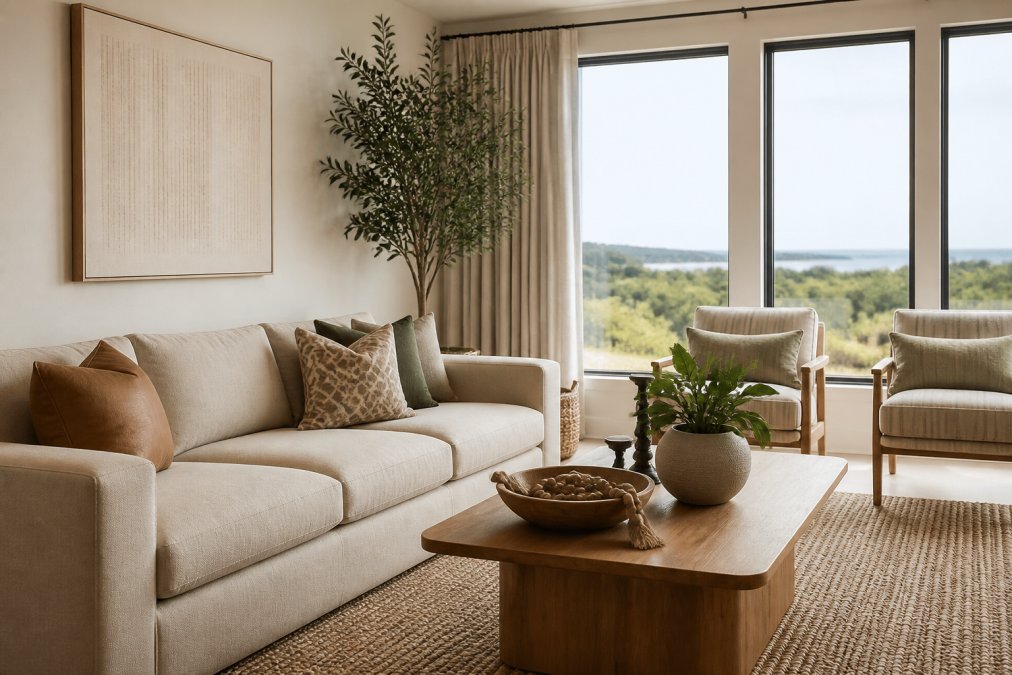
Styling for the camera does not mean staging an unusable space. It means choosing furniture that looks intentional and inviting, adding a few well-placed accessories like throws and lamps, and ensuring the space feels open and airy. A common mistake is over-furnishing, which makes rooms look smaller and harder to clean.
Plan for Wear: Safety, Maintenance, and Replacement Cycles
Furnishing a rental is not a one-time project; it is an ongoing cycle of maintenance and replacement that requires the same planning you would use to furnish airbnb units from scratch. Every host needs an inventory checklist and a schedule for inspecting furniture for damage, tightening loose hardware, and replacing worn textiles.
The Unique Angle: Managing the Furniture Lifecycle
Most furnishing guides stop at the initial purchase, but the real operational challenge is managing the wear-and-tear lifecycle of every item. Unlike a personal home where a sofa might last 10 years, a short-term rental sofa typically needs replacement every 2 to 3 years under continuous bookings.
Realistic Replacement Timelines for High-Turnover Rentals
Based on patterns reported by property managers operating at 70-80 percent occupancy, here are realistic lifespan expectations for key items:
| Item | Expected Lifespan | Replacement Signal |
|---|---|---|
| Mattress | 3-5 years | Visible sagging, guest complaints about back pain |
| Sofa (residential grade) | 2-3 years | Frame creaking, cushions losing shape |
| Sofa (commercial grade) | 5-7 years | Fabric pilling, seam splitting |
| Linens (sheets, duvets) | 6-12 months | Fading, thinning fabric, stubborn stains |
| Towels | 6-9 months | Loss of absorbency, frayed edges |
| Cookware (non-stick) | 12-18 months | Scratched coating, warping |
| Dinnerware | 18-24 months | Chips, cracks, mismatched pieces after breakage |
| Area Rugs | 2-3 years | Visible wear paths, fraying edges |
| Throw Pillows | 12-18 months | Flattening, stains that won't come out |
Building a Replacement Fund and Schedule
Smart hosts set aside a monthly reserve equal to 2-3 percent of gross rental revenue for furniture and textile replacement. On a property generating $3,000 per month, that is $60-$90 monthly, enough to cover a full linen refresh twice a year and a major furniture replacement every 18-24 months.
Create a quarterly inspection checklist that includes:
- Checking all upholstered furniture for structural wobble or visible damage
- Testing all drawer slides and cabinet hinges
- Inspecting mattress seams and corners for tears or stains
- Reviewing linens and towels for thinning or discoloration
- Checking smoke detectors and carbon monoxide alarms (required by most municipal codes and the National Fire Protection Association standards) (nfpa.org)
- Verifying that all furniture meets current Consumer Product Safety Commission recall notices, particularly for cribs, bunk beds, and dressers over 30 inches tall that require anti-tip anchoring
Safety Compliance Beyond the Basics
Upholstered furniture should meet fire-retardant regulations under the federal Flammable Fabrics Act, and you should check for recalls on items like cribs or bunk beds if you furnish family-friendly units. The CPSC maintains a searchable recall database that hosts should review quarterly, especially for children's furniture and electronics.
Accessibility is another consideration many hosts overlook. While the ADA does not generally apply to private residential short-term rentals, several states and municipalities, including California and New York City, have begun introducing accessibility requirements. Making one bathroom or entryway easier to navigate with wider doorways, grab bars, or a zero-threshold shower can expand your guest pool and reduce liability. Listing accessibility features is also a differentiator that attracts travelers with mobility needs.
The Cost of Neglect
A mattress that sags noticeably by month 14 will generate a one-star review that costs far more than the $400 replacement. A wobbly dining chair that collapses under a guest creates a liability risk no insurance policy fully covers. Hosts who treat furniture as a depreciating asset with a defined lifecycle maintain five-star ratings and high occupancy over multiple years.
Your Furnishing Strategy: Packages vs. Sourcing Yourself
You have two main paths to furnish your property: sourcing every piece yourself or working with a provider that offers furniture packages. Sourcing yourself gives you maximum control and the potential to hunt for deals, but coordinating shipping and logistics across multiple vendors can delay your launch and cost you rental income.
Furniture packages solve the coordination problem. A curated package ensures a cohesive look, often harder to achieve when mixing pieces from different stores, and simplifies delivery into a single, managed event. This is particularly valuable for hosts furnishing multiple units, where consistency simplifies maintenance and cleaning protocols. The trade-off is less creative freedom, but the benefit is a faster path to a turnkey, guest-ready property.
| Furnishing Approach | Best For | Key Trade-Off |
|---|---|---|
| DIY Sourcing | Single properties, hosts with time to hunt for deals | Lower cost, but high time investment and coordination risk |
| Furniture Packages | Multiple units, hosts prioritizing speed and cohesion | Faster launch, consistent look, but less customization |
| Hybrid Strategy | Experienced hosts with a clear design vision | Balance of cost control and style, but requires project management |
Conclusion: Build a Space That Earns Five-Star Reviews
Furnishing an Airbnb is a balancing act between upfront budget, guest comfort, and long-term durability. The hosts who succeed treat their furniture as infrastructure for their business, choosing pieces that look great in photos, survive heavy use, and are easy to maintain.
Our curated collections are handpicked for lasting durability and an elevated aesthetic, and our white-glove delivery service removes the logistical headache of receiving and placing large orders. For hosts and property managers furnishing multiple units, our volume pricing and dedicated account management ensure a cohesive, intentional look across every property. Learn More and build a space that earns five-star reviews and keeps your calendar full.
Frequently Asked Questions
How much does it cost to furnish an Airbnb?
The cost to furnish an Airbnb varies widely based on property size, quality level, and whether you choose a full-service package. A studio or one-bedroom can be furnished for a few thousand dollars, while larger luxury homes cost significantly more. Instead of a fixed number, calculate your budget per room and prioritize high-impact, durable pieces. Many hosts use the 80/20 rule: spend 80% of your budget on the living room, kitchen, and primary bedroom, since those drive the most guest satisfaction.
What is the 80/20 rule in Airbnb furnishing?
The 80/20 rule in this context suggests that 80% of your guest satisfaction and positive reviews come from 20% of your furnishings. That critical 20% typically includes the bed and mattress, high-quality linens, the sofa, and a well-equipped kitchen. Focus your budget on these high-impact areas first. You can use more economical choices for secondary items like decor accents or less-used furniture, ensuring your investment directly improves your rating and occupancy rate.
What are the most durable furniture materials for high-turnover rentals?
For high-turnover rentals, look for commercial grade furniture designed for hospitality use. Choose sofas and chairs with high-density foam cushions and performance fabrics that are stain-resistant and bleach-cleanable. Solid hardwood frames outperform softwoods or particleboard. For surfaces, consider quartz or solid surface materials instead of natural stone, and look for finishes with a scratch-resistant seal. Always pair upholstered pieces with washable, fitted mattress and sofa protectors to extend their lifespan.
What should I include on my Airbnb furnishing checklist?
Your Airbnb furniture checklist should start with the bedroom: a sturdy bed frame, a quality mattress, and a waterproof mattress protector. Move to the living area for a comfortable sofa, a coffee table, and adequate lighting. The kitchen needs cookware, dinnerware, and glassware for at least double your guest count. Include a cleaning supply caddy for turnover efficiency. Finally, add safety items like a fire extinguisher and first-aid kit, and think about space-saving, multi-functional furniture for smaller properties.