Luxury Furniture for Boutique Hotels: 2026 Buyer's Guide
Table of Contents
- What Luxury Furniture for Boutique Hotels Actually Means in 2026
- Contract-Grade Furniture Standards: What Separates Hotel Pieces From Residential Ones
- Working With Custom Hotel Furniture Manufacturers on a Boutique Scale
- Commercial Hospitality Furniture Procurement: Budgeting, Lead Times, and Logistics
- Guest Room Furniture Essentials for Luxury Furniture for Boutique Hotels
- Lobby and Public Space Design: Where Statement Pieces Earn Their Keep
- Common Mistakes Boutique Hoteliers Make When Buying Furniture
- Conclusion
- Frequently Asked Questions
Last Updated: September 11, 2026
What Luxury Furniture for Boutique Hotels Actually Means in 2026
Luxury furniture for boutique hotels is contract-grade furnishings specified for commercial hospitality environments, where durability, fire compliance, and design cohesion matter as much as appearance. At Orvessa Global, we work with designers and property owners who need pieces that survive daily guest use while still reading as intentional design.
Guests judge a property by its interiors as much as its service, and one worn armchair can undo an otherwise flawless stay. Buyers now prioritize material longevity, upholstery standards, and a coherent visual language across every room.
Below, we break down what separates hospitality-grade furniture from residential pieces dressed up for commercial use, and how to buy it without blowing your timeline.
Contract-Grade Furniture Standards: What Separates Hotel Pieces From Residential Ones
Contract-grade furniture is built to commercial benchmarks, tested for repeated use, heavier loads, and stricter safety requirements. The differences show up in the frame, foam, joinery, and documentation.
Residential furniture is designed for a household of four; hospitality furniture for hundreds of strangers a year. A common mistake is buying a beautiful residential sofa for a lobby because it photographs well, then replacing it within eighteen months.
- Frames: kiln-dried hardwood or engineered hardwood instead of softwood or particleboard
- Foam: high-density, high-resilience foam that resists compression over thousands of sittings
- Joinery: corner blocks, dowels, and reinforced brackets rather than staples alone
- Textiles: commercial upholstery rated for heavy traffic and repeated cleaning
If a supplier cannot tell you the foam density or the rub count on a fabric, that is your answer. Move on.
Fire Safety Compliance and Upholstery Ratings
Fire safety is the single most common compliance failure in boutique hotel furnishing, and it is entirely avoidable at the specification stage. Commercial upholstered furniture sold in the United States is typically expected to meet California Technical Bulletin 117-2013 for smolder resistance, and many specifiers also reference NFPA 101 life safety requirements for assembly and lodging occupancies. Requirements vary by state, occupancy type, and local fire code, so NFPA 101 Life Safety Code overview is worth reviewing with your code official before you finalize fabrics.
Working With Custom Hotel Furniture Manufacturers on a Boutique Scale
Custom hotel furniture manufacturers build to your drawings, dimensions, and finish schedule rather than a fixed catalog. For a boutique property, that flexibility is usually worth the extra lead time, because standard pieces rarely fit an unusual floor plan or design narrative.
The trade-off is risk: custom manufacturing concentrates your budget into fewer suppliers, so one unreliable maker can stall an entire floor.
How to Vet a Maker Before You Sign
Use this checklist on every custom manufacturer you consider:
- Ask for two hospitality references from projects completed in the last 24 months
- Request foam density, frame material, and joinery details in writing
- Confirm the fabric's commercial rating and flammability test report
- Get the production lead time in writing, with a stated ship date
- Clarify who handles freight damage and replacement pieces
- Confirm the commercial warranty length and what it actually covers
- Ask what happens if a finish or fabric is discontinued mid-project
Commercial Hospitality Furniture Procurement: Budgeting, Lead Times, and Logistics
Commercial hospitality furniture procurement is specifying, ordering, tracking, and installing furnishings across a property on a fixed schedule and budget. It fails most often on logistics, not design.
Custom upholstery lead times commonly run longer than buyers expect, and a missed installation window means lost room revenue. Build slack into the schedule and stage deliveries by floor or wing.
| Phase | Typical Timeline | What to Lock Down |
|---|---|---|
| Specification and sampling | 2-4 weeks | Fabrics, finishes, dimensions |
| Custom production | 8-16 weeks | Deposit paid, ship date confirmed |
| Freight and delivery | 1-3 weeks | Dock access, storage, receiving hours |
| Installation and punch list | 3-7 days | Assembly, damage check, touch-ups |
Timelines shift with material availability and order volume, so treat these as planning ranges and confirm actual dates with your supplier.
Lifecycle Cost: The Number Most Buyers Forget
The lowest purchase price is rarely the lowest total cost. A cheaper sofa that needs replacing in three years costs more than a well-built piece that lasts ten, once you add removal, reordering, and the guest-experience hit of visible wear.
Run the math before you buy: divide purchase price by expected service years, then add estimated reupholstery and repair costs. Pieces that can be reupholstered rather than replaced almost always win on lifecycle cost, which is one reason GSA guidance on furniture lifecycle and sustainability recommends specifying for longevity and repairability in commercial settings.
Guest Room Furniture Essentials for Luxury Furniture for Boutique Hotels
Guest room furniture satisfies two audiences: the guest who wants it to feel considered, and the operator who has to clean, repair, and replace it. The best pieces are quiet, sturdy, and easy to service, specified with numbers, not adjectives.
Start with the bed and work outward. Headboards should be wall-mounted or solidly anchored, never leaning. Nightstands need drawers that survive being yanked open, metal glides or dovetail joinery, not stapled particleboard. Seating should suit a laptop session but leave circulation space. A luggage bench earns its place in nearly every room.
A common mistake is over-furnishing a small room. Fewer, better pieces read as more luxurious than a crowded room of mid-tier items. For multi-unit projects, a cohesive collection matters more than any single statement piece, which is where volume pricing and dedicated support from one supplier pay off.
Specification Benchmarks Worth Writing Into the PO
Vague specs are how projects drift. These ranges are the starting floor most hospitality specifiers use:
- Seat foam: high-resilience foam in the 1.8 to 2.5 lb/ft³ density range for seat cushions, with a compression and recovery test on file. Lower-density foam feels plush in the showroom and pancakes within a year.
- Fabric abrasion: a Wyzenbeek rub count of at least 30,000 double rubs for guest room upholstery, and 50,000 or higher for lobby and lounge seating. Ask for the test method, Wyzenbeek and Martindale are not interchangeable.
- Frame joinery: kiln-dried hardwood or engineered hardwood with corner blocks, dowels, and reinforced brackets. Staples alone are a residential shortcut.
- Drawer hardware: metal side-mount or undermount glides rated for repeated cycling, not wood-on-wood runners.
- Finish durability: a catalyzed lacquer or conversion varnish on case goods, which resists alcohol-based sanitizers far better than standard lacquer.
If a supplier cannot tell you the foam density or the rub count on a fabric, that is your answer. Move on.
Fire Safety Compliance in Guest Rooms
Fire safety is the single most common compliance failure in boutique hotel furnishing, and it is entirely avoidable at the specification stage. Commercial upholstered furniture sold in the United States is typically expected to meet California Technical Bulletin 117-2013 for smolder resistance, and many specifiers also reference NFPA 101 life safety requirements for lodging occupancies. Requirements vary by state, occupancy type, and local fire code, so NFPA 101 Life Safety Code overview is worth reviewing with your code official before you finalize fabrics.
Maintenance and Lifecycle Cost per Room
The lowest purchase price is rarely the lowest total cost. A cheaper sofa that needs replacing in three years costs more than a well-built piece that lasts ten, once you add removal, reordering, and the guest-experience hit of visible wear.
Run the math before you buy: divide purchase price by expected service years, then add estimated reupholstery and repair costs. Pieces that can be reupholstered rather than replaced almost always win on lifecycle cost, which is one reason GSA guidance on furniture lifecycle and sustainability recommends specifying for longevity and repairability in commercial settings.
Ergonomics and Guest Comfort
Comfort is a specification, not a vibe. Guest room lounge chairs typically land at 17 to 19 inches seat height, with a depth that lets a guest sit back without their knees floating. Desk chairs need adjustable height and working-posture support, since more guests work from the room. Bedside lighting should be reachable from a seated position, with outlets within arm's reach of the nightstand.
Lobby and Public Space Design: Where Statement Pieces Earn Their Keep
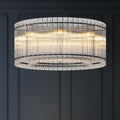
Lobby and public space design is where a boutique property establishes its identity, and where statement pieces justify their cost. These areas are photographed, so the design investment is visible in a way guest room furniture rarely is, and they take the most abuse, which is why public-space specification is a durability exercise dressed up as a design one.
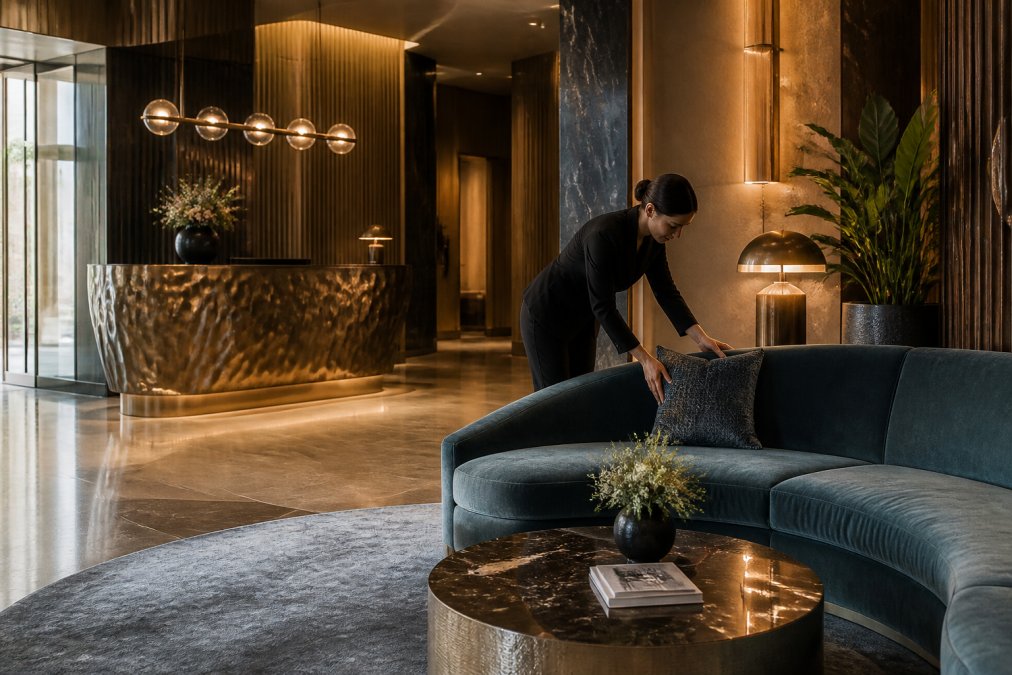
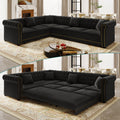
The reception desk anchors the arrival experience. A piece like the Ryvion Front Lobby Desk works here because it offers locking storage, a cabinet, and open shelving in a Flame Walnut and Matte Gray finish, and it can be customized to fit the space. For seating, an Italian Minimalist Reception Sofa in synthetic leather handles lobby traffic far better than a residential fabric sofa, and wipes clean.


Zoning the Lobby by Traffic Load
Not every square foot of a lobby takes the same beating. Specifying by zone keeps you from over-buying durability in quiet corners and under-buying it where it matters:
- Arrival and check-in zone: standing-height surfaces, wipeable finishes, and seating a guest with luggage can use without help. Expect the highest foot traffic and most spills.
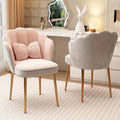
- Lounge and nook seating: the pieces guests photograph. This is where a statement sofa or pair of sculptural chairs earns its place, but the fabric still needs a commercial rating.
- Circulation paths: keep furniture out of the walking line. A beautiful chair that guests have to dodge reads as a design error, not a feature.
- Waiting and work zones: power access and a surface at laptop height. Guests judge a lobby by whether they can sit down and get something done.
Outdoor, Restaurant, and Lounge Furniture
Public space does not stop at the lobby doors. A boutique property's restaurant, bar, terrace, and pool deck all shape the same guest impression, and each has its own specification rules.
Restaurant and lounge seating takes more chair-pull cycles per day than any other furniture on the property. Look for reinforced leg-to-seat joinery and a glides system that protects floor and chair. Banquettes need replaceable seat cushions, since a banquette outlives several sets of foam.
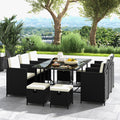
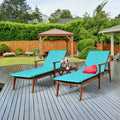
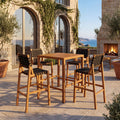
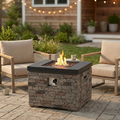
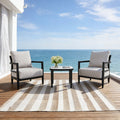
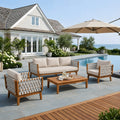
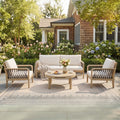
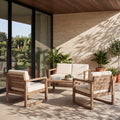
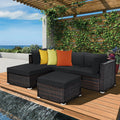
Outdoor pieces need materials rated for UV and moisture: powder-coated aluminum or stainless steel frames, marine-grade hardware, and quick-dry foam that does not hold water. A residential outdoor sofa on a hotel terrace will fade, rust at the fasteners, and mildew in the cushion core within a couple of seasons. Ask for the frame finish warranty separately from the fabric warranty, they are usually different terms.
Small-Project Logistics: Shipping, Installation, and Lead Times
Boutique projects are not small versions of chain rollouts. A 40-room property does not get the freight consolidation, dedicated project manager, or priority factory slot a 400-room chain does.
Plan for it explicitly:
- Stage deliveries by floor or wing rather than ordering everything at once. A boutique property rarely has the back-of-house storage to absorb a full-property drop.
- Confirm dock access, elevator dimensions, and receiving hours before the freight quote is finalized. A sofa that does not fit the service elevator is a problem no design intent solves.
- Build slack into the schedule. Custom production commonly runs 8 to 16 weeks, and freight adds 1 to 3 weeks. A six-week renovation and a sixteen-week production schedule do not fit together.
- Clarify who owns freight damage in writing. The answer determines whether a damaged piece is a supplier problem or yours.
Fire Safety and Compliance in Public Spaces
Public spaces carry stricter life-safety expectations than guest rooms because they are assembly occupancies. Upholstered pieces in lobbies, restaurants, and lounges are typically expected to meet California Technical Bulletin 117-2013 for smolder resistance, and specifiers commonly reference NFPA 101 for egress, occupancy load, and flame-spread requirements on wall and ceiling finishes. Local fire codes vary, and a piece that passes in one jurisdiction may not in another, so NFPA 101 Life Safety Code overview is worth reviewing with your code official before you lock the finish schedule.
Common Mistakes Boutique Hoteliers Make When Buying Furniture
The most expensive furnishing mistakes are specification errors, not design ones. They surface months later as failed inspections, premature wear, or a lobby that never quite feels finished.
- Buying residential pieces for commercial traffic. They fail early and void warranty claims.
- Skipping flammability documentation. This stalls inspections and can force last-minute replacements.
- Ignoring lead times. A six-week renovation and a sixteen-week production schedule do not fit together.
- Mixing collections without a plan. Cohesion makes a space feel designed rather than assembled.
- Chasing the lowest quote. See lifecycle cost above. It rarely wins over ten years.
- Underestimating delivery logistics. Dock access, storage, and receiving hours cause more delays than manufacturing.
Conclusion
Furnishing a boutique property is a procurement problem disguised as a design problem, and operators who treat it that way finish on budget and on schedule. Orvessa Global supports that work with curated, contract-grade pieces, volume pricing for multi-room projects, white-glove delivery, and dedicated account management from specification through installation. Browse the collections and get a tailored quote for your next project.
Frequently Asked Questions
What defines luxury furniture in the hospitality industry?
It comes down to three things: materials that survive daily turnover, construction built to contract-grade standards rather than residential use, and a design language that matches the property's identity. A luxury hotel sofa might use kiln-dried hardwood frames, high-density foam, and performance upholstery rated for commercial traffic. The finish has to look refined on day one and still look intentional after two years of guests. That combination of durability and design cohesion is what separates hospitality-grade pieces from furniture that simply looks expensive in a showroom.
How do you balance aesthetics and durability in hotel furniture?
Start with the pieces guests touch most: seating, casegoods, and headboards. Choose frames built for commercial use, then select upholstery that meets fire-retardant fabric requirements without looking industrial. Performance velvets, top-grain leathers, and tightly woven textiles hold up better in high-traffic areas than delicate linens. For accent furnishings, you can push the design further because they take less abuse. The practical rule is to spend your durability budget where bodies meet furniture, and your aesthetic budget where eyes meet it.
What is the typical lead time for custom luxury hotel furniture?
Custom manufacturing timelines vary by complexity, finish, and upholstery selection. Simple casegoods and seating can move faster than fully bespoke joinery with specialty finishes. For a boutique project, plan for several weeks to a few months from order confirmation to delivery, and build in a buffer for freight scheduling. If you are working against a renovation deadline, confirm production slots before you finalize the design. Getting the timeline in writing, with milestone dates, protects your opening schedule and avoids costly rental furniture stops.
How does furniture selection impact boutique hotel guest reviews?
Guests rarely review a sofa by name, but they notice when seating feels flimsy, when a drawer sticks, or when the room looks nothing like the listing photos. Comfort and visual coherence show up in comments about the stay feeling considered. Worn or mismatched furniture triggers complaints about value. Because boutique properties compete on character rather than scale, furniture carries more weight in the review than it would at a large chain. Durable, cohesive pieces protect both the guest experience and the property's reputation over time.