Tips for Cohesive Indoor Outdoor Design
Table of Contents
- Start with a Unified Color Palette
- Choose Durable Indoor Outdoor Furniture Sets
- Create Indoor-Outdoor Flooring Transition Ideas
- Plan Furniture Layout and Spatial Flow
- Use Weather-Resistant Textiles for Commercial Spaces
- Extend Lighting Design Across Both Zones
- Maintain Material Continuity and Design Harmony
- Frequently Asked Questions
Last Updated: October 2, 2026
Start with a Unified Color Palette
A unified color palette is the foundation of cohesive indoor outdoor design. Shared colors make spaces feel intentionally connected rather than separate.
Pick 3-5 colors and commit to them across both zones. Neutral bases work best. Think warm whites, soft grays, warm beiges, or muted taupes. These anchor spaces without overwhelming them.
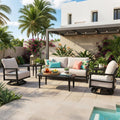
Then add 1-2 accent colors that appear in both areas. If your living room features deep navy pillows, carry that into your outdoor seating. If your interior uses terracotta accents, repeat them on the patio. The repetition signals intention.
Test paint samples in both spaces before committing, outdoor light is harsher and brighter, so colors read differently in full sun than indoors.
Orvessa Global specializes in curated collections that maintain color harmony across indoor and outdoor pieces. Their handpicked furniture selections ensure that sofas, chairs, and accent pieces share cohesive color families, making it easier to extend your palette naturally from inside to out.
Choose Durable Indoor Outdoor Furniture Sets
Mismatched pieces and poor-quality materials break cohesive indoor outdoor design and create maintenance headaches.
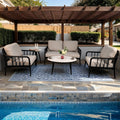
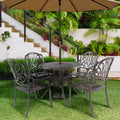
Look for durable indoor outdoor furniture sets designed to perform in both environments. These pieces use weather-resistant materials that won't fade, crack, or deteriorate under sun exposure. Teak, powder-coated aluminum, high-grade synthetic rattan, and solution-dyed fabrics are your best bets.
Buy matching sets when possible. A coordinated sofa, chairs, and coffee table from the same collection look intentional. Mixing and matching individual pieces from different sources creates visual chaos, even if each piece is beautiful on its own.
The American Society for Testing and Materials (ASTM) standards outline durability requirements for outdoor furniture. Look for pieces that meet ASTM specifications for fade resistance, moisture absorption, and structural integrity. This ensures your investment lasts.
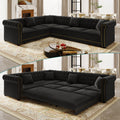
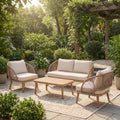
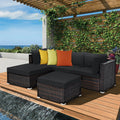
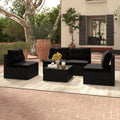
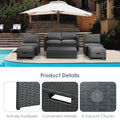
Consider the Scandinavian Corner Teak Rainproof Rattan Furniture from Orvessa Global ($1,697.49). This L-shaped piece combines weather-resistant teak and plastic rattan with a design that works equally well on a covered patio or in a modern living room. The removable cushions and movable configuration adapt to different layouts while maintaining visual cohesion.

Create Indoor-Outdoor Flooring Transition Ideas
Your flooring transition determines whether spaces connect or clash. The right approach depends on your budget, climate, and home size.
For Large Homes with Renovation Budget
Extend your interior flooring material onto the patio using polished concrete, large-format porcelain tiles (24" × 24" or larger), or light wood. Large-format tiles minimize grout lines, strengthening visual continuity.
For Apartments, Balconies, and Small Spaces
Use an outdoor rug matching your interior flooring's color family. A 5' × 8' weather-resistant rug (solution-dyed polypropylene or recycled plastic) costs $150-$400, requires no landlord approval, and creates visual flow without permanent installation.
For Budget-Conscious Transitions
If you can't replace flooring, matching color families is your most cost-effective strategy. A light gray interior tile pairs with light gray outdoor pavers ($2-$4 per square foot). A warm wood interior works with warm-toned composite decking ($3-$8 per square foot). The visual continuity matters more than identical material.
For renters or temporary setups, peel-and-stick outdoor tiles ($1-$3 per tile) in colors matching your interior create a cohesive threshold without permanent changes. These tiles adhere to concrete or wood and remove cleanly when you move.
Climate-Specific Durability Considerations
In humid climates, use sealed porcelain tile or composite decking to prevent mold. In arid climates, lighter colors resist fading longer; reapply UV-protective sealant every 2-3 years. In freeze-thaw climates, sealed concrete or porcelain tile outperform natural stone; reseal every 18-24 months.
A small step (2-4 inches) is acceptable for drainage. Use a matching trim piece to connect different materials. Test flooring samples in actual light conditions at different times of day before committing.
Establish a maintenance schedule: sealed concrete or tile monthly with pH-neutral cleaner and reseal annually; composite decking swept weekly and deep cleaned quarterly; natural stone sealed every 12-24 months. Neglected flooring breaks the cohesive aesthetic fastest, budget 2-3 hours quarterly for threshold maintenance.
Plan Furniture Layout and Spatial Flow
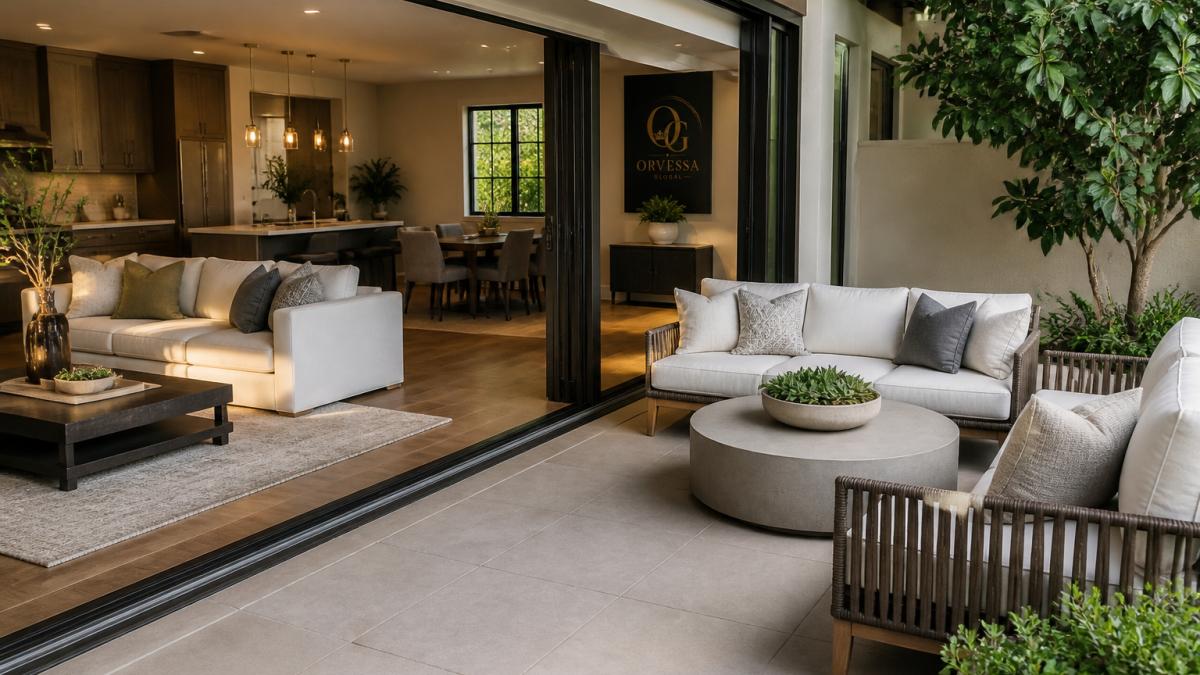
Position key pieces to face the transition, if your interior sofa faces patio doors, place outdoor seating to continue that sightline. Maintain consistent spacing and create mirrored functional zones (interior reading nook paired with outdoor lounge chair) to guide the eye naturally from inside to out.
Hanging Egg Chair, Outdoor Indoor Swing Chair →
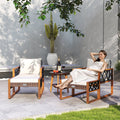
Use the Hanging Egg Chair from Orvessa Global ($486.38) as a statement piece that works in both zones. Its sculptural form and neutral finish complement modern interiors while performing beautifully on a sheltered patio or balcony. The 37.4" x 37.4" footprint and 300-lb capacity make it a practical choice for high-traffic hospitality spaces or residential projects.

Use Weather-Resistant Textiles for Commercial Spaces
Textiles are where cohesive indoor outdoor design either succeeds or falls apart. The wrong fabrics fade, absorb moisture, mildew, and deteriorate within a season. The right ones maintain color and performance across both environments. However, the best textile choice depends on your use case, climate, and maintenance commitment.
Solution-dyed fabrics (color woven throughout the fiber) fade 50-70% slower than piece-dyed fabrics and are industry standards for outdoor use. Synthetic fibers shed water; natural fibers absorb it, leading to mold. Quick-dry foam and recycled plastic cushion fill outperform polyurethane foam. Lighter colors show color shift more visibly than darker tones.
For Commercial Spaces (Hotels, Rentals, Hospitality)
Choose solution-dyed acrylic or polyester rated for 500+ hours of UV exposure. Use quick-dry foam or recycled plastic cushion fill to prevent mold and extend life 3-5 years. Wash textiles monthly to prevent dirt accumulation and extend fabric life 2-3 years, avoiding $5,000-$10,000 replacement costs.
For Residential Spaces (Homeowners)
Choose solution-dyed acrylic or polyester for 4-6 month use; upgrade to 1,000+ hour UV-rated fabrics for year-round exposure. Solution-dyed polyester outperforms piece-dyed cotton by 2-3 years. Seasonal storage extends fabric life 50% by eliminating off-season UV exposure.
Climate-Specific Textile Selection
In humid climates, use quick-dry foam and solution-dyed synthetics exclusively; budget for monthly cleaning. In arid climates, choose 1,000+ hour UV-rated fabrics; lighter colors fade less noticeably. In freeze-thaw climates, use quick-dry foam and store cushions indoors November-April.
Keep textile colors within your interior palette. Store paint chips, fabric swatches, and finish samples in a labeled folder for future reference. Replace cushions in sets rather than individually to maintain uniform color as fabrics fade over time.
Prioritize quality solution-dyed fabrics for high-visibility zones. Use throw pillows ($30-$80 each) and outdoor rugs ($100-$400 for 5' × 8') to create cohesion affordably and swap seasonally as they fade.
Performance Standards and Certifications
The Textile Exchange sustainability standards outline performance requirements for outdoor fabrics. Fabrics meeting these standards offer proven durability and environmental responsibility. Look for certifications like Oeko-Tex (chemical safety) or Global Organic Textile Standard (GOTS) if sustainability matters to your project.
ASTM International standards for outdoor textiles specify UV resistance, colorfastness, and moisture absorption requirements. ASTM G154 (UV exposure) and ASTM D4157 (colorfastness) are the standards most manufacturers reference. Fabrics rated for 500+ hours (commercial) or 1,000+ hours (premium residential) will maintain cohesion for 3-5 years with proper maintenance.
Extend Lighting Design Across Both Zones
Lighting is the detail most people overlook, and it's the detail that transforms a good space into a cohesive one. When your interior and outdoor lighting work together, the entire environment feels intentional and sophisticated.
Start with ambient lighting that works in both zones. Warm white bulbs (2700K color temperature) create a cohesive glow from interior lamps through to outdoor fixtures. Avoid mixing warm and cool tones, a cool-white interior next to warm-yellow patio lights creates visual tension.
Layer your lighting. Use overhead fixtures for general illumination, accent lights to highlight architectural features, and task lights for functional areas. This layering should continue seamlessly from inside to out.
Consider how evening transitions change the space.
Maintain Material Continuity and Design Harmony
Material continuity is what separates a cohesive indoor outdoor design from a collection of nice pieces that happen to be near each other. When materials repeat across the threshold, the space reads as one intentional environment.
Frequently Asked Questions
How do you create a seamless transition between indoor and outdoor spaces?
Seamless transitions rely on three elements: consistent flooring materials or visual flow from one surface to another, matching color palettes across both zones, and aligned furniture placement that guides the eye naturally outdoors. Use oversized sliding glass doors or floor-to-ceiling windows to blur boundaries, and ensure outdoor rugs and cushions echo the neutral base and soft furnishings inside. Lighting continuity matters too, extend ambient lighting from interior to exterior so both spaces feel equally inviting at dusk.
What materials work best for cohesive indoor-outdoor design?
Weather-resistant materials that maintain aesthetic appeal are essential. Teak, concrete, and sealed stone work for flooring transitions. For furniture, look for pieces like the Scandinavian Corner Teak Rainproof Rattan Furniture that combines durability with refined style. Textiles should be solution-dyed or treated to resist fading and moisture. The Nook Coffee Table, with its industrial-grade sealer, exemplifies pieces designed for both indoor elegance and outdoor resilience. Material continuity across both zones creates the visual cohesion that defines successful design.
Can you give me examples of cohesive indoor-outdoor design?
A cohesive scheme might feature a neutral base of whites and warm grays, with natural wood tones in both interior and exterior furniture. Scandinavian or minimalist styles translate well across thresholds because they prioritize clean lines and material honesty. Biophilic design, bringing nature indoors through plants, natural textures, and organic shapes, reinforces the connection. A hanging egg chair like the Hanging Egg Chair, Outdoor Indoor Swing Chair bridges both environments literally, while statement lighting and coordinated rugs unify the aesthetic across the threshold.
How can lighting enhance indoor-outdoor flow?
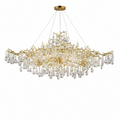
Lighting is the final layer that ties cohesive design together. Use ambient lighting, soft overhead or pendant fixtures, in both zones to create equal visual warmth at evening. Layer in accent lighting for outdoor features like pathways or focal points to extend the usable living area after dark. Ensure color temperature matches (warm white indoors and out) so the transition feels intentional rather than jarring. This approach makes both spaces feel like one unified design experience regardless of time of day.