Luxury Furniture for Hospitality Projects: A Complete Guide
Table of Contents
- What Defines Luxury Furniture for Hospitality Projects
- Understanding Hospitality Grade Furniture Standards
- Key Furniture Categories for Hospitality Spaces
- The Commercial Furniture Procurement Process
- Working with Custom Hotel Furniture Manufacturers
- Durability, Maintenance, and Lifecycle Value
- Design Customization and Aesthetic Alignment
- Sustainability and Compliance Considerations
- Frequently Asked Questions
Last Updated: September 20, 2026
What Defines Luxury Furniture for Hospitality Projects
Luxury furniture for hospitality projects comprises high-end furnishings engineered for commercial environments where durability, aesthetics, and guest experience converge. Unlike residential furniture, hospitality-grade pieces must withstand constant use, frequent cleaning, and transient occupants while maintaining visual appeal and structural integrity.
Hospitality spaces operate under different pressures than homes. A hotel chair must resist staining, support daily use by dozens of guests annually, and align with brand identity. Luxury furniture for hospitality projects demands materials engineered for high-traffic durability, finishes that resist damage, and design that elevates guest experience.
Understanding Hospitality Grade Furniture Standards
Hospitality-grade furniture adheres to performance standards exceeding residential requirements, governing flammability, durability, material composition, and structural integrity to handle constant guest turnover.
Key standards include fire retardant ratings (NFPA 701 for fabrics, California Technical Bulletin 117 for foam), structural load requirements for aggressive use, and stain-resistant materials.
"Commercial grade" and "hospitality grade" are not interchangeable. Commercial-grade furniture survives predictable office use; hospitality-grade is engineered for unpredictable, intensive use by guests. This distinction determines whether a piece lasts five years or becomes a liability in two.
Manufacturers serving hospitality clients provide documentation proving compliance with relevant codes.
Key Furniture Categories for Hospitality Spaces
Seating and Upholstery Solutions
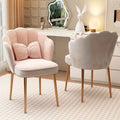
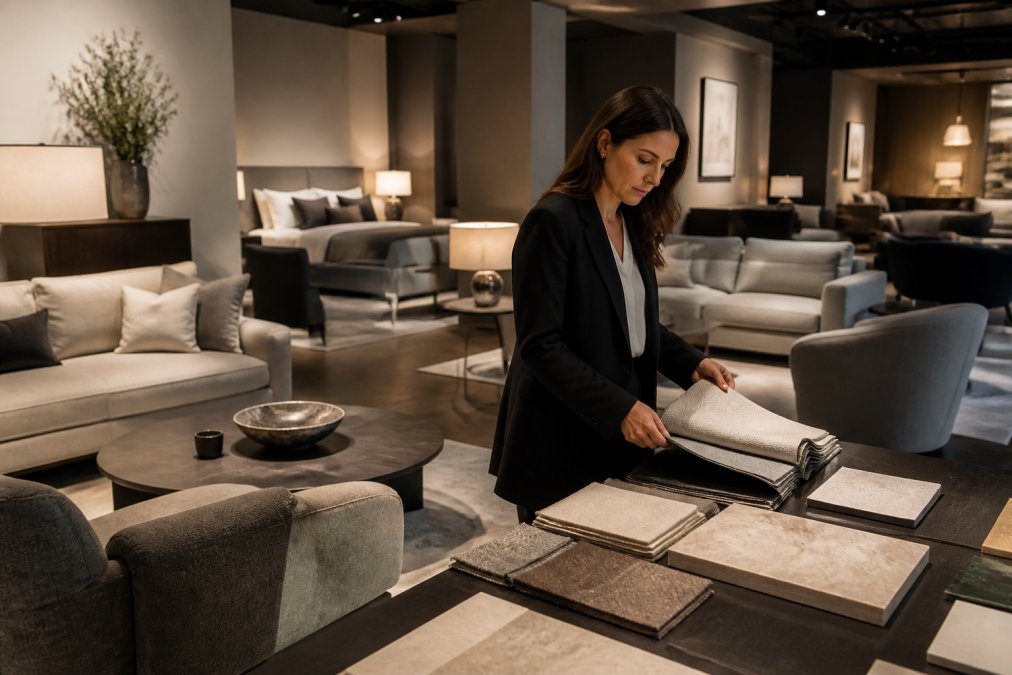
Seating is tested most aggressively in hospitality environments. Chairs, sofas, and lounges endure spilled drinks, body oils, constant use, and occasional abuse. Upholstery must resist staining while frames withstand repeated stress that would damage residential furniture.
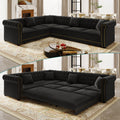
High-performance fabrics include solution-dyed synthetics that resist color bleeding, treated natural fibers that repel liquids, and commercial-grade leather. Orvessa Global's Italian Minimalist Reception Sofa exemplifies this balance, engineered with commercial-grade synthetic leather and hospitality-designed wood frame.

Guest room seating includes accent chairs or ottomans that complement the bed. The Luxury Modern Design Hotel Sofa Furniture Set offers customizable configurations, maintaining design coherence while accommodating different layouts.

Reception and Front-of-House Furnishings
Front desk and lobby seating create the first impression. These spaces demand pieces projecting sophistication while handling constant guest interaction and contact.
Reception desks must combine aesthetic impact with functional storage and durability. The surface endures pens, luggage wheels, aggressive cleaning, and thousands of guest interactions. Laminate finishes that resist heat, scratches, and staining are essential. The Ryvion Front Lobby Desk in Flame Walnut and Matte Gray laminate provides visual warmth with practical resilience, featuring locking drawers and open shelving for staff operations.

The Elyra Front Reception Desk integrates LED lighting for ambient sophistication and staff visibility, with Natural Oak and Gloss White finishes resisting daily wear.
Guest Room and Suite Furniture
Guest rooms require durability balanced with aesthetics that create a personal retreat. Beds, nightstands, dressers, and seating must work as a cohesive collection reflecting brand identity while accommodating overnight stay needs.
Bed frames and headboards endure significant abuse from guests sitting on edges and leaning against headboards. Upholstered headboards require stain-resistant fabrics and durable frames; bed bases need reinforced construction for hundreds of guest stays.
Nightstands and dressers need surfaces resisting damage from wet glasses, luggage, and cleaning products. Sealed finishes or laminate tops prevent water rings and staining; drawers must withstand aggressive use.
Custom upholstered seating in suite-level properties creates luxury and personalization.
The Commercial Furniture Procurement Process
Sourcing luxury furniture for hospitality projects differs fundamentally from residential purchasing due to larger scale, compressed timelines, and higher stakes.
Procurement begins with space planning and design specifications. Designers define aesthetic direction, space requirements, and functional needs, informing detailed furniture specifications.
Vendor evaluation requires suppliers understanding hospitality requirements, capable of scale delivery, and consistency.
Lead times matter intensely. Properties rarely accommodate 16-week manufacturing delays. Suppliers maintaining inventory or offering expedited production are invaluable; procurement conversations must address realistic timelines and delivery contingencies.
Volume pricing becomes relevant at scale. Orvessa Global offers volume pricing for large projects, recognizing successful sourcing builds repeat client relationships.
Written agreements should specify finishes, materials, delivery dates, installation requirements, and remedies for damaged or non-conforming pieces. This is critical for custom pieces where misunderstandings are costly.
Working with Custom Hotel Furniture Manufacturers
Custom hotel furniture manufacturers serve properties needing bespoke pieces tailored to brand, space constraints, or design vision.
Relationships begin with design consultation.
Custom manufacturing timelines extend 10-16 weeks for upholstered furniture, longer for specialized techniques. Properties must account for this in renovation schedules.
Italian Minimalist Reception Sofa →
Quality control is critical.
Custom pieces carry setup fees, sample approvals, and smaller production runs increasing per-unit costs.
Durability, Maintenance, and Lifecycle Value
Luxury furniture for hospitality projects represents significant capital investment. True value is cost per year of service, not purchase price.
A piece that costs 20% more but lasts twice as long delivers better value. This calculation requires understanding material durability, maintenance requirements, and the realistic lifespan in hospitality conditions.
Maintenance protocols should be documented before pieces arrive. Staff need to know how to clean different materials without damaging them.
Preventive maintenance is more cost-effective than reactive repairs.
The lifecycle cost analysis should consider replacement cycles.
Documentation of furniture specifications, care instructions, and warranty information should be maintained centrally.
Design Customization and Aesthetic Alignment
The visual coherence of a hospitality property matters enormously. Guests notice when furniture feels mismatched, when colors clash, or when aesthetic direction is unclear. Custom options allow properties to create spaces that feel intentional rather than assembled from whatever was available.
Design customization begins with color and finish selection. Manufacturers typically offer standard options but also accept custom specifications.
Fabric and material selection extends customization further.
Dimensional customization addresses space constraints.
Hardware, legs, and finishing details contribute to the overall aesthetic.
The design collaboration process should include mockups or samples before full production.
Sustainability and Compliance Considerations
Modern hospitality properties increasingly face pressure to demonstrate environmental responsibility and compliance with accessibility standards. Luxury furniture for hospitality projects should address both.
Environmental considerations span material sourcing, manufacturing processes, and end-of-life disposal. Manufacturers with ISO 14001 certification demonstrate commitment to environmental management.
| Furniture Category | Primary Use Case | Durability Priority | Customization Value |
|---|---|---|---|
| Seating & Upholstery | Guest rooms, lounges, lobbies | High (constant use) | High (brand alignment) |
| Reception Desks | Front-of-house operations | High (staff interaction) | Medium (functional + aesthetic) |
| Guest Room Suites | Overnight accommodation | High (daily use) | High (distinctive experience) |
Frequently Asked Questions
What defines hospitality-grade furniture compared to residential pieces?
Hospitality-grade furniture is engineered to withstand high-traffic use, frequent cleaning, and constant guest interaction. Unlike residential pieces, hospitality furniture uses reinforced frames, stain-resistant upholstery, commercial-grade fabrics rated for heavy use, and finishes that resist scratches and heat. These pieces are built to maintain appearance and function for years under intensive daily use while meeting fire safety codes and ADA compliance standards required in commercial spaces.
How does the commercial furniture procurement process differ from buying residential furniture?
Commercial procurement involves volume ordering, lead time planning, specification documentation, and coordination with manufacturers on custom features. Procurement also requires verification of fire ratings, durability certifications, and compliance documentation. Many hospitality projects require white-glove delivery and assembly services, plus dedicated account management to handle changes or additional orders as the project evolves.
What should I look for when selecting custom hotel furniture manufacturers?
Evaluate manufacturers on production certifications (ISO-9001 for quality, ISO-14001 for sustainability), customization capabilities, warranty terms, and documentation of commercial-grade materials. Request references from similar hospitality projects and confirm their ability to handle your timeline and volume. Verify they understand hospitality-specific durability requirements and fire safety standards applicable to your project type.
How can I balance luxury aesthetics with durability and maintenance requirements?
Modern hospitality furniture achieves both through high-end material selection and smart design. Work with manufacturers who offer fabric and finish options specifically tested for commercial use. Select colors and textures that mask minor wear while maintaining sophistication.
What is the importance of white-glove delivery for hospitality furniture projects?
White-glove delivery ensures pieces arrive damage-free and are properly installed in your spaces, reducing project delays and costly replacements. This service includes careful handling, assembly, placement according to design specifications, and removal of packaging materials. For hospitality projects on tight timelines, white-glove delivery prevents guest-facing delays and protects your investment in high-end pieces. It also provides accountability if issues arise, ensuring pieces are installed correctly and meet your aesthetic and functional standards before your property opens.
How does volume pricing work for hospitality furniture procurement?
Volume pricing typically applies when ordering multiple pieces or furnishing multiple properties. Working with a dedicated account manager helps you understand pricing structure, negotiate based on your project scope, and identify cost-saving opportunities through standardized collections across multiple spaces while maintaining design cohesion.
What compliance standards apply to luxury furniture in hospitality settings?
Hospitality furniture must meet fire safety standards (NFPA 701 for fabrics, CA TB 117 for upholstered pieces), ADA accessibility requirements for public spaces, and applicable building codes. Manufacturers should provide compliance certifications for all materials and finished pieces. For hotels and multi-unit properties, verify that custom pieces meet state and local fire codes. Working with experienced manufacturers ensures your luxury selections meet all regulatory requirements without compromising design aesthetics.
How do I ensure consistent design across multiple hospitality properties or units?
Partner with manufacturers offering curated collections designed to work cohesively across different spaces. Specify a core palette of finishes, fabrics, and styles that can be adapted to individual property aesthetics while maintaining brand consistency. Dedicated account management helps you maintain consistency across multiple orders and properties over time.