Tips for Boutique Hotel Furnishing: Design & Durability
Table of Contents
- Boutique Hotel Furnishing Essentials: Creating Memorable Guest Rooms
- Boutique Hotel Room Design Ideas That Stand Out
- Hotel Room Furniture Checklist: What Every Guest Room Needs
- Durable Furniture for Hotels: Materials and Maintenance
- Hotel FF&E Cost-Saving Tips Without Sacrificing Quality
- Room Layout and Space Planning for Boutique Accommodations
- Accessibility and Safety in Hospitality Furnishing
- Sustainable and Locally Sourced Furnishing Choices
- Frequently Asked Questions
Last Updated: October 5, 2026
Boutique Hotel Furnishing Essentials: Creating Memorable Guest Rooms
When you're furnishing a boutique hotel, every piece tells a story. The right selections elevate the guest experience, reinforce your brand identity, and withstand daily use. At Orvessa Global, we work with hoteliers and designers who understand that boutique hotel furnishing is about crafting spaces where guests feel the difference the moment they walk in.
The challenge isn't finding furniture, it's finding pieces that balance aesthetic impact with hospitality-grade durability within a realistic budget. This guide covers strategies proven across dozens of boutique properties, from room-by-room selection to procurement and cost management.
Boutique Hotel Room Design Ideas That Stand Out
Define Your Design Identity
Your design identity is the foundation of everything else. Before selecting a single piece of furniture, decide what your boutique hotel stands for visually: minimalist and calm, or bold with statement pieces? Industrial-modern or warm and textured?
Document your design direction in a visual reference guide with color swatches, material samples, and photos, then share it with your team and furniture partners so everyone interprets "sophisticated" or "cozy" the same way.
Balance Statement Pieces with Functional Comfort
A memorable guest room needs both. Statement pieces, like a distinctive bed frame or sculptural pendant light, create the "wow" moment; functional comfort keeps guests returning.
The mistake many make is loading a room with statement pieces, creating visual chaos.
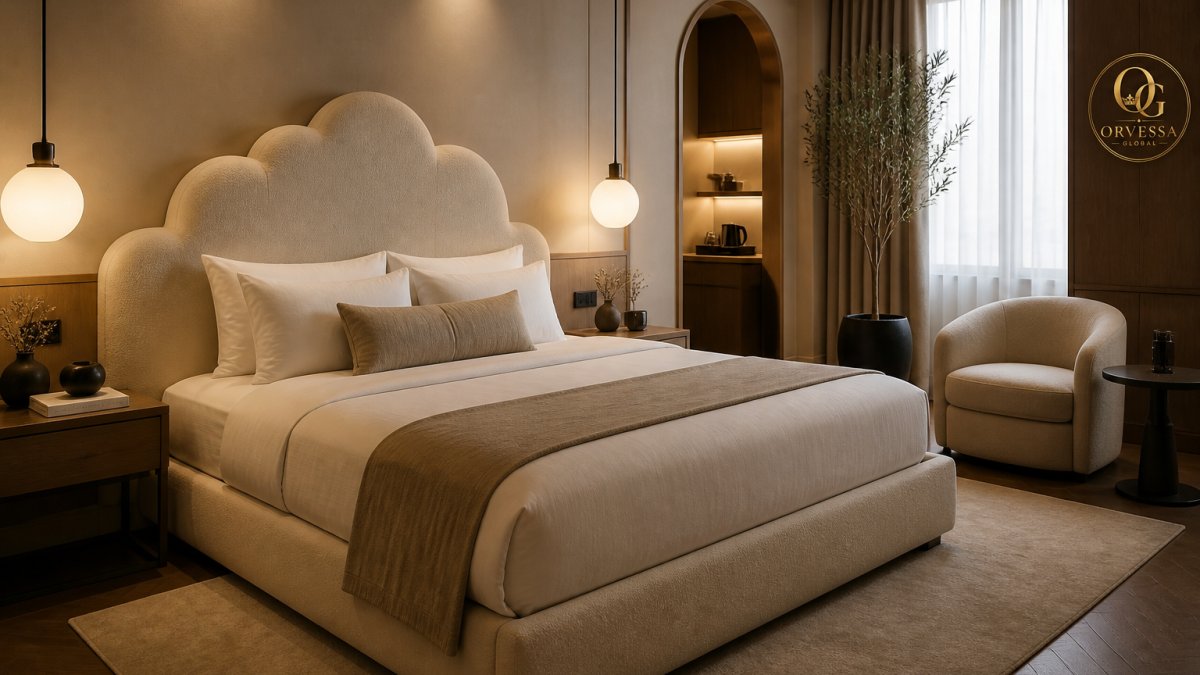
For the Hudson bed from Orvessa Global, with its cloud-inspired design and ivory upholstered headboard, pair it with clean-lined nightstands, neutral wall color, and minimal pattern. The bed becomes the focal point without visual competition.

Functional comfort means a mattress that supports all-night sleep, pillows that withstand 200+ guest nights per year, and seating that's genuinely comfortable, not just photogenic. Guests remember how the room felt more than how it looked.
Hotel Room Furniture Checklist: What Every Guest Room Needs
Bedroom Essentials
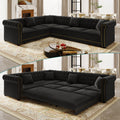
A guest room bed is the centerpiece. Choose between upholstered platform beds for contemporary aesthetics or storage beds for practical functionality. The Hudson bed offers the modern upholstered approach with performance fabric, while the Queen Size Bed with Attached Nightstands and Hidden Storage solves a real problem in smaller rooms.
Beyond the bed, you need:
- Nightstands or bedside surfaces (attached or freestanding) for guest essentials, phone, water glass, lamp
- Dresser or storage for clothing and luggage. The Legacy Solid Wood Dresser from Orvessa Global uses premium acacia hardwood, built to endure beyond trends, with ample drawer space and warm tones that work across design directions
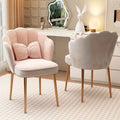
- Accent seating (if room size allows). The Modern Accent Chair from Orvessa Global fits compact spaces with architectural armrests and supportive cushioning
- Flooring and area rugs to define the space and add warmth
| Furniture Type | Purpose | Durability Priority | Example from Orvessa Global |
|---|---|---|---|
| Bed frame | Centerpiece and sleep surface | Critical, handles nightly use | Hudson or Queen Storage Bed |
| Nightstand | Guest essentials storage | High, daily contact | Attached to storage bed or separate |
| Dresser | Clothing and luggage storage | High, frequent opening/closing | Legacy Solid Wood Dresser |
| Accent chair | Seating and visual interest | Medium, occasional use | Modern Accent Chair |
| Mirrors | Functionality and space perception | High, daily use, durability | Celine Arch Body Mirror |
Seating and Accent Pieces
Beyond the bed, seating defines how guests experience the room. A single accent chair in the corner transforms a bedroom into a suite-like space. Choose pieces that balance comfort with durability.
The Modern Accent Chair from Orvessa Global combines architectural design with practical durability: beige chenille upholstery resists wear, and rubberwood legs provide stability.
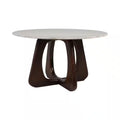
Accent tables anchor seating areas. The Adara table's sculptured floral legs add elegance without visual heaviness, and composite wood construction resists moisture and daily wear better than solid wood alone.
Lighting and Mirrors
Lighting sets the mood and determines whether guests can actually use the room. Most boutique hotels need layered lighting: dimmer-controlled overhead ambient, bedside task, and decorative accent lighting.
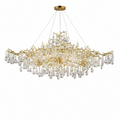
The Camille Alabaster Pendant Lamp from Orvessa Global pairs distinctive design with practical function. Its warm white LED (approximately 3000K) creates calm ambiance, while natural alabaster stone diffuses light softly with no harsh glare.
Mirrors serve double duty: functionality and space perception. A full-length mirror like the Celine Arch Body Mirror (74 inches tall) lets guests prepare and makes smaller rooms feel larger. Place it opposite a window to reflect natural light or opposite accent lighting to amplify ambiance.
Durable Furniture for Hotels: Materials and Maintenance
Hospitality-Grade Materials
Hospitality furniture endures abuse residential furniture never faces: luggage dragged across floors, spilled drinks, guests sitting on tables, fabric rubbed by thousands of bodies per year. Material selection determines whether your investment lasts 5 years or 10.
Choose materials engineered for hospitality use. Upholstered pieces should use performance fabrics that resist stains and wear. The Hudson bed's ivory performance fabric and the Falun seating's genuine leather or PU leather both withstand this environment far better than standard residential upholstery.
Wood furniture should be hardwood (acacia, walnut, oak) rather than veneer or particle board. The Legacy Dresser uses premium acacia hardwood, known for resistance to warping and cracking.
Metal hardware and finishes should be stainless steel or powder-coated for durability. Reception desks like the Taviel and Ryvion from Orvessa Global feature laminate finishes that resist heat, scratches, and staining, critical in lobbies where guests set hot coffee cups and drag luggage.

Easy-Clean Finishes and Upholstery
In hospitality, ease of cleaning directly impacts maintenance costs and turnaround time. A room that takes 30 minutes to clean generates more revenue than one taking 45 minutes.
Specify finishes that wipe clean with a soft damp cloth. Laminate surfaces handle spills without absorbing them, leather and PU leather upholstery (like the Falun seating) wipes clean instantly, and performance fabric on beds resists spills and can be spot-cleaned between guests.
Avoid materials requiring special care: untreated wood that stains easily, natural fabrics that absorb spills, or finishes needing specific cleaning products. Every additional care step burdens your housekeeping team with cost and time.
Hotel FF&E Cost-Saving Tips Without Sacrificing Quality
FF&E stands for Furniture, Fixtures, and Equipment, the term hospitality uses for these investments. Managing FF&E budget without compromising on the guest experience requires strategy.
Strategic Volume Purchasing
If you're furnishing multiple rooms or properties, volume purchasing reduces per-unit costs significantly. Orvessa Global offers volume pricing and personalized account management for hospitality projects, support that matters when outfitting 15 rooms across three properties.
Consolidate purchases with one or two trusted partners rather than five vendors. This simplifies procurement, ensures consistent quality, and gives you leverage for better pricing. Committing to furnish 20 rooms with the same pieces makes you a meaningful customer, not a one-off order.
Create a standardized room package. Establish 2-3 room types (king suite, queen standard, junior suite) and furnish all rooms of each type identically. This reduces SKU complexity, improves ordering efficiency, and keeps costs down.
Curated Collections and Cohesive Design
Rather than picking individual pieces, work with curated collections designed to work together. This prevents visual discord and ensures pieces are proportioned and finished to complement each other.
Orvessa Global specializes in curated collections for hospitality. The Hudson bed, Modern Accent Chair, Legacy Dresser, and Camille Pendant Lamp form a cohesive contemporary suite sharing design language, material quality, and finish tones.
A cohesive collection also simplifies replacement: if a piece is damaged, you can source an exact match from the same vendor rather than a "close enough" substitute that breaks the aesthetic.
Room Layout and Space Planning for Boutique Accommodations
Room layout determines whether furniture functions or frustrates. Start with traffic flow: guests enter, need to reach the bathroom easily, and should move through the room without navigating around furniture.
Consider sight lines. If the bed is the first thing guests see, position it as a focal point against the far wall, well-lit, with the headboard as a design statement.
For small rooms (under 250 square feet), every inch counts.
For larger suites, create distinct zones: sleeping, seating, work. Furniture placement defines these zones without walls.
Accessibility and Safety in Hospitality Furnishing
Accessible design isn't a niche concern, it's a legal requirement under the ADA (Americans with Disabilities Act) and a competitive advantage.
The Ryvion reception desk from Orvessa Global is built to 2010 ADA Standards dimensions, ensuring accessibility for guests and staff.

Avoid furniture with sharp edges or protruding hardware. Rounded edges and recessed handles are safer, and all furniture must be stable, since wobbly pieces are hazardous and create liability.
Lighting should be adequate for guests with low vision. Warm, diffused light (like the Camille Pendant Lamp) is better than harsh overhead light.
Safety certifications matter.
Sustainable and Locally Sourced Furnishing Choices
Sustainability increasingly matters to guests and to your bottom line. Durable furniture that lasts 10 years rather than 5 is inherently more sustainable, fewer replacements, less waste.
Choose materials with environmental credentials. The Legacy Dresser uses renewable acacia wood, combining lasting beauty with enduring value. Ask furniture partners about sourcing: Are materials sustainably harvested? Are finishes low-VOC? Are products built to last?
Locally sourced or domestically manufactured furniture reduces transportation emissions and often supports better labor practices. Ask suppliers about production location and certifications.
Consider the full lifecycle.
Boutique hotel furnishing requires balancing design impact, durability, guest comfort, and budget. Their curated collections, personalized account management, and white-glove delivery transform the furnishing process from overwhelming to strategic. Learn more about Orvessa Global's hospitality solutions and discover how tailored furnishing elevates your property.
Frequently Asked Questions
What furniture is essential for a boutique hotel room?
Every boutique hotel room needs a quality bed as the focal point, alongside bedside tables for guest convenience, seating such as an accent chair or lounge piece, and storage like a dresser. Lighting, both ambient and task, plus mirrors complete the essentials. The specific pieces depend on your room size and design identity, but these categories form the foundation of functional, memorable guest rooms.
How can I balance durability with boutique hotel room design ideas?
Select durable furniture for hotels that doubles as design statement pieces. Upholstered beds with performance fabrics, solid wood dressers with natural finishes, and metal-framed seating all combine longevity with aesthetic appeal. Avoid trendy materials that show wear quickly; instead, choose timeless styles in materials like acacia hardwood or high-grade upholstery that age gracefully and handle guest use without compromising the boutique aesthetic.
What materials work best for durable furniture in high-traffic hotel environments?
Acacia hardwood resists warping and cracking, making it ideal for dressers and bedroom furniture. Laminate finishes on reception desks resist heat, scratches, and staining. Genuine leather and PU leather upholstery both withstand spills and wear; genuine leather softens with use while PU wipes clean easily. Performance fabrics on beds and seating handle frequent laundering and guest contact. Prioritize materials with proven hospitality use and easy maintenance protocols.
How do I create a hotel room furniture checklist for multiple properties with different styles?
Start with non-negotiable essentials: bed, nightstands, seating, dresser, lighting, and mirror. Then layer design identity through color palette, statement pieces, and decorative accessories. Curated collections allow you to maintain cohesive design across properties while adapting scale and finish to each space. Work with suppliers offering multiple configurations, such as reception desks available in different widths and finishes, so you can standardize quality and procurement while preserving each property's unique character.
What are practical hotel FF&E cost-saving tips for boutique properties?
Purchase in volume across multiple properties to unlock pricing advantages. Choose ready-made, curated collections rather than custom pieces to reduce lead times and costs. Invest in timeless designs that won't require frequent replacement. Prioritize durability upfront to minimize maintenance and replacement expenses over the furniture's lifecycle. Work with suppliers offering white-glove delivery and installation coordination to avoid costly errors and downtime that affect rental income.