Modern Luxury Furniture Design Trends 2026: A Guide
Table of Contents
- Curved Silhouettes and Organic Shapes Define 2026
- Warm Minimalism and Neutral Palettes for Modern Luxury Furniture
- Sustainable Luxury Furniture Materials: Craftsmanship That Lasts
- Quiet Luxury Interior Design: Understated Elegance
- Bespoke Statement Lighting and Sculptural Pieces
- Smart Furniture Integration and Small-Space Luxury
- Investment Value and Resale of Luxury Furniture Trends
- Conclusion
- Frequently Asked Questions
Last Updated: September 14, 2026
Curved Silhouettes and Organic Shapes Define 2026
The defining move in modern luxury furniture design trends 2026 is the curve. Rounded sofas, kidney-shaped tables, and softened casegoods have replaced the sharp-edged, boxy silhouettes that dominated the previous decade. This guide breaks down the shifts shaping high-end interiors this year, and how to invest in them without regret.
Designers are reaching for organic shapes because they solve a real problem: hard geometry makes open-plan rooms feel like showrooms. A curved silhouette pulls seating into conversation clusters and softens the visual weight of a large space. In practice, this means a rounded sectional anchors a living area better than a rectangular one of the same footprint.
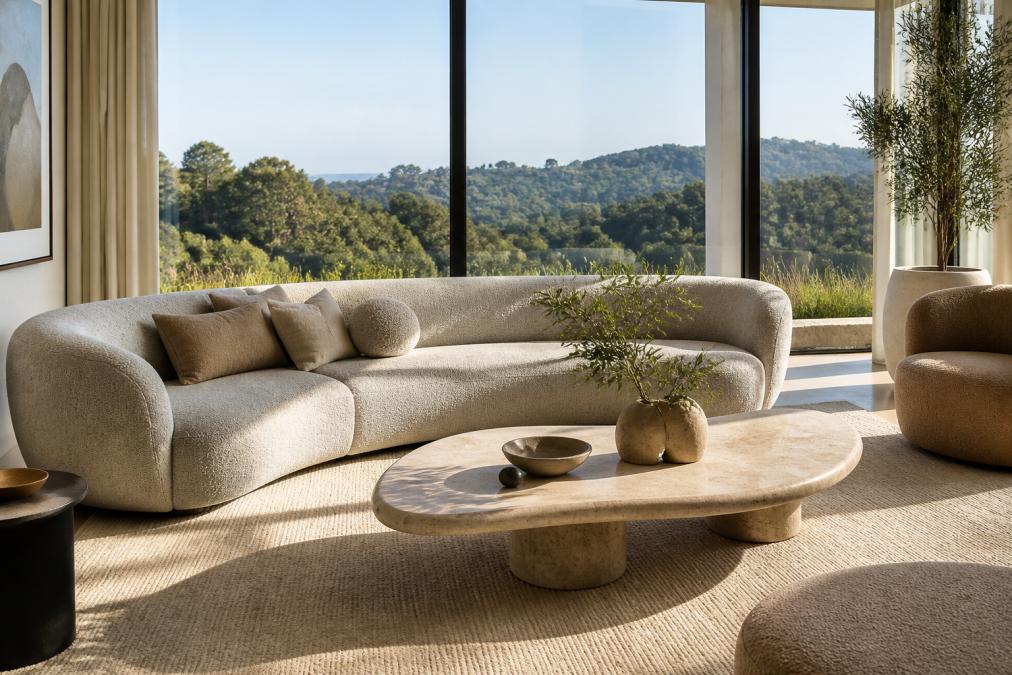
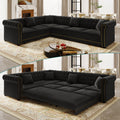
The Ivria Boucle Sectional Sofa, available at Orvessa Global, shows how the trend works at full scale: a U-shaped curve, full foam cushions, and nine down feather-filled accent pillows.

Warm Minimalism and Neutral Palettes for Modern Luxury Furniture
Warm minimalism is the practice of stripping a room to its essentials while layering in texture, tone, and comfort so the result feels inviting rather than clinical. Where cold minimalism used white walls and hard surfaces, the 2026 version pairs earthy tones with tactile materials.
The palette has shifted decisively. Oatmeal, clay, mushroom, and soft ivory now carry rooms that once ran on stark gray. A monochromatic scheme built from three or four close neutrals reads as more expensive than a high-contrast one, because it forces attention onto form and texture instead of color blocking.
A common mistake is treating "neutral" as "beige and boring." The fix is contrast in material, not color: a boucle sofa against a lacquered finish, or natural oak beside marble accents. That contrast is what creates depth and dimension.
Sustainable Luxury Furniture Materials: Craftsmanship That Lasts
Sustainable luxury furniture materials are those sourced and finished so the piece can be repaired, refinished, and passed on rather than replaced.
Look for solid wood frames over particleboard, FSC-certified natural oak and walnut, reclaimed materials with documented provenance, and water-based lacquered finishes (Furniture).
Craftsmanship is where sustainable and luxury converge. Heirloom quality is not a marketing phrase.
Quiet Luxury Interior Design: Understated Elegance
Quiet luxury interior design is the deliberate rejection of visible branding in favor of proportion, material quality, and restraint.
This is the hardest trend to execute because it leaves nowhere to hide. A loud room can distract from a mediocre sofa. A quiet one cannot.
For hospitality projects, the appeal is durability disguised as elegance. A guest room furnished in understated neutrals photographs well and ages gracefully.
Bespoke Statement Lighting and Sculptural Pieces
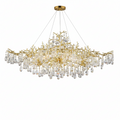
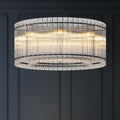
Bespoke statement lighting is custom-designed or limited-production lighting made to a specific space, scale, and finish rather than pulled from a catalog.
The logic is economic. Replacing a chandelier costs a fraction of replacing a sofa, yet it changes the entire read of a room.
Bespoke work also solves awkward architecture.
Smart Furniture Integration and Small-Space Luxury
Smart furniture integration means building charging, lighting, and climate controls into the furniture itself rather than adding them as visible aftermarket devices.
The practical applications are unglamorous but genuinely useful: a nightstand with integrated wireless charging and a concealed cable channel, a sectional with a discreet USB-C port, a console that hides a router and its power brick.
The mechanism matters more than the feature list. Integrated charging works through one of three approaches: inductive pads built into the surface, USB ports wired into a hidden power strip inside the piece, or full power management modules that combine both with surge protection (Wireless Charging: Regulatory Requirements for Europe, USA and Canada).
A common pattern among design teams is to specify smart integration at the same time as upholstery and finish selection, not after.
Small-space luxury follows the same principle. In a studio or a compact guest room, one well-proportioned piece beats three cramped ones. Spatial flow matters more than square footage, and a curved sofa or a floating console preserves floor visibility in a way bulky furniture cannot.
For small spaces, the highest-leverage smart features are the ones that eliminate visible clutter: a bed frame with integrated reading lights and charging, a coffee table with a hidden power hub, a media console that vents heat from a cable box without exposing it.
For small spaces, buy fewer pieces at higher quality and specify integrated power at the point of purchase. Retrofitting smart features into finished furniture rarely looks intentional.
For hosts furnishing multiple short-term rental units, this matters commercially: a guest room that charges a phone without a scavenger hunt for an outlet earns better reviews.
Investment Value and Resale of Luxury Furniture Trends
Investment value in luxury furniture comes down to three variables: material durability, design longevity, and brand or maker provenance.
Buyers should think in terms of a ten-year horizon. A curved boucle sectional in a neutral tone will still work in a living room a decade from now (pubmed.ncbi.nlm.nih.gov).
The resale market rewards the same things the primary market should: solid construction, classic proportions, and materials that can be restored.
A practical framework for evaluating a piece before purchase is to ask three questions: (1) Can the frame be repaired without disassembling the entire piece? (2) Can the upholstery be replaced with standard techniques, or does it require a proprietary process? (3) Does the maker still exist, and will it still exist in five years?
Most practitioners find that the strongest resale performers are pieces from makers with a documented history, limited production runs, and materials that patinate rather than degrade.
For commercial buyers, this reframes the purchase decision. Furnishing a hotel or a portfolio of rental units is a capital allocation problem, not a decorating problem. Durable, neutral, well-made pieces reduce replacement cycles, which is where the real cost sits.
The table below summarizes how the major 2026 trends perform on durability and resale strength.
| Trend | Durability | Resale Strength | Best For |
|---|---|---|---|
| Curved silhouettes, organic shapes | High | Strong | Living rooms, lobbies |
| Warm minimalism, neutral palettes | High | Strong | Whole-home, guest rooms |
| Quiet luxury, understated design | High | Strong | Hospitality, resale |
| Bold color and novelty shapes | Low | Weak | Short-term staging |
| Trend-led statement pieces | Medium | Moderate | Single focal accents |
Design studios and hospitality buyers furnishing on a multi-year replacement cycle, where neutral, well-built pieces lower total cost of ownership.
For residential buyers, the same logic applies: a piece that can be reupholstered and refinished will outlast three trend-driven purchases.
Conclusion
The hard part of buying into these trends is not identifying them; it is sourcing pieces that deliver the look without sacrificing durability.
Orvessa Global handles that end of the work, with handpicked collections, trade and hospitality solutions, volume pricing for large projects, white-glove delivery, and a dedicated account manager who understands hospitality design rather than a generic support queue. Whether you are furnishing a single residence or fifteen units, the goal is the same: a cohesive modern look.
Get started with Orvessa Global and furnish your next project with pieces built for lasting comfort.
Frequently Asked Questions
What furniture style is trending in 2026?
Curved silhouettes and organic shapes lead luxury furniture trends in 2026. Warm minimalism with neutral palettes, tactile materials like boucle and natural oak, and quiet luxury pieces that prioritize craftsmanship over logos are in high demand. Modular designs and sculptural lighting also define the year, offering flexibility and visual interest for both residential and hospitality spaces.
What sofa colors will look outdated in 2026?
Cool grays and stark whites are losing ground to warmer, earthier tones. In 2026, luxury furniture trends favor ivory, camel, terracotta, and deep walnut. If you are updating a space, consider a boucle sectional in ivory or a burnt orange accent to stay aligned with modern luxury furniture design trends 2026.
How to incorporate quiet luxury into modern living spaces?
Start with a neutral base: warm whites, taupes, or soft grays on walls and large upholstery. Add tactile materials like boucle, linen, or raw silk for depth. Choose fewer, higher-quality pieces such as a curved sectional or a marble accent table. Skip visible logos and instead invest in artisanal details like brass inlays or hand-finished wood. Quiet luxury interior design relies on restraint and material quality over quantity.
Are curved furniture silhouettes still popular in 2026?
Yes, curved silhouettes remain a defining feature of modern luxury furniture design trends 2026. Curved sectionals, rounded armchairs, and organic-shaped tables soften spaces and improve spatial flow. This trend pairs well with warm minimalism and tactile materials. For hospitality or residential projects, a curved boucle sofa like the Ivria sectional provides both comfort and a sculptural focal point that feels current and timeless.