Best Practices for Short Term Rental: 7 Essential Steps
Table of Contents
- 1. Screen Guests and Set Clear House Rules
- 2. Short-Term Rental Furnishing Ideas That Balance Style and Durability
- 3. Create a Short-Term Rental Amenities Checklist
- 4. Develop a Short-Term Rental Cleaning Checklist and Turnover Protocol
- 5. Implement a Short-Term Rental Safety Checklist
- 6. Master Guest Communication and Property Inspection
- 7. Optimize Pricing, Occupancy, and Profitability
- Frequently Asked Questions
Last Updated: October 12, 2026
1. Screen Guests and Set Clear House Rules
The foundation of a successful short term rental starts before guests arrive. Screening applicants carefully and establishing clear expectations prevents costly conflicts, property damage, and operational headaches down the line.
Begin by creating a detailed guest screening process. Request identification, verify contact information, and review booking history if the guest has prior rental experience. Many hosts ask security questions about the guest's travel purpose and group composition. This simple step filters out high-risk bookings before they happen.
Clear house rules protect your property and set boundaries upfront. Document everything: quiet hours, parking restrictions, guest capacity limits, smoking policies, and pet guidelines. Post these rules prominently in your listing, confirmation emails, and inside the property itself. Guests who understand expectations before booking are far less likely to violate them.
Consider requiring a damage deposit or security hold for higher-risk bookings. This financial incentive encourages guests to treat the property with care. Make your cancellation and refund policies equally clear, ambiguity here creates disputes.
2. Short-Term Rental Furnishing Ideas That Balance Style and Durability
Furnishing a short term rental demands a different mindset than decorating a personal home. Guests are temporary, traffic is heavy, and wear accumulates fast. The goal is creating an inviting, cohesive space that withstands constant use while maintaining a refined aesthetic.

Invest in durable, high-quality pieces that read as upscale but can handle abuse. Solid wood frames, reinforced joints, and premium fabrics outperform budget alternatives by years. Neutral color palettes, warm grays, whites, soft beiges, appeal to a broad audience and hide wear better than bold colors.
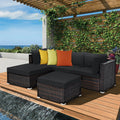
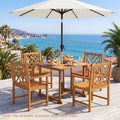
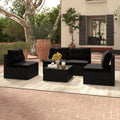
For outdoor spaces, consider pieces like the 6-Piece Aluminum Patio Furniture Set with UV-resistant rope and thick cushions. Built with rust-proof aluminum and weather-resistant materials, this set combines resort-style appeal with the durability needed for frequent guest turnover. The easy-clean fabric and integrated coffee table add functionality without sacrificing design.

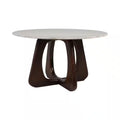
Avoid trendy pieces that will look dated in two years. Timeless modern design, clean lines, quality materials, minimal ornamentation, ages well and appeals to diverse guest preferences. Mix high-impact statement pieces like quality lighting or a standout dining table with versatile foundational furniture.
3. Create a Short-Term Rental Amenities Checklist
Guests expect certain amenities as baseline. Missing these creates negative reviews and lost bookings. A comprehensive short term rental amenities checklist ensures consistency across stays and reduces guest complaints.
Essential bedroom amenities include quality bedding (high thread count sheets, comfortable pillows), blackout curtains, and adequate lighting. Provide extra pillows, blankets, and a luggage rack. Include a small welcome gift, local snacks, coffee, or toiletries, that costs little but improves guest perception significantly.
Bathroom essentials matter more than you might think. Stock towels (at least two sets per guest), hand soap, shampoo, conditioner, and basic first-aid items. A well-lit mirror, functional ventilation, and quality fixtures signal care and professionalism.
Kitchen basics depend on your rental type. For longer stays, provide full cookware, utensils, and small appliances. Even for weekend rentals, include coffee makers, basic dishes, and glassware. A printed guide to local restaurants and delivery options adds value.
| Amenity Category | Essential Items | Priority Level |
|---|---|---|
| Bedroom | Quality bedding, pillows, blackout curtains | High |
| Bathroom | Towels, soap, shampoo, mirror lighting | High |
| Kitchen | Coffee maker, basic dishes, utensils | Medium |
| Living Areas | Comfortable seating, entertainment options | Medium |
| Climate | Working HVAC, temperature controls | High |
| Connectivity | WiFi, phone chargers, device docking | Medium |
Common areas should include comfortable seating, entertainment (TV, books, games), and clear WiFi access. A printed welcome guide with house rules, WiFi passwords, emergency contacts, and local recommendations prevents repetitive guest questions.
4. Develop a Short-Term Rental Cleaning Checklist and Turnover Protocol
Cleanliness is the single most important factor in guest satisfaction and repeat bookings. A detailed short term rental cleaning checklist ensures nothing is missed between guests, and a defined turnover protocol keeps your schedule predictable.
Create two cleaning checklists: a standard turnover checklist and a deep-clean checklist for monthly or seasonal deep cleans. The standard checklist covers what happens between every guest, typically within 24 hours of checkout.
Standard turnover tasks include changing all bedding, sanitizing bathrooms (toilet, sink, shower, floors), wiping kitchen surfaces and appliances, vacuuming or mopping all floors, and removing guest trash. Check for damage, stains, or maintenance issues. Restock toiletries, towels, and kitchen supplies. This process typically takes 2-3 hours depending on property size.
Deep-clean tasks happen monthly and include washing windows, cleaning baseboards and light fixtures, sanitizing HVAC filters, steam-cleaning carpets or upholstery, and checking for mold or pest issues. Budget 4-6 hours for deep cleaning.
Hire professional cleaners if your occupancy rate is high. The cost (typically $100-200 per turnover) is offset by faster turnarounds, consistent quality, and your time saved. Vet cleaners carefully, they represent your property to guests.
5. Implement a Short-Term Rental Safety Checklist
Guest safety is both a legal obligation and a business necessity. A comprehensive short term rental safety checklist protects guests, reduces liability, and demonstrates professional property management.
Smoke detectors and carbon monoxide detectors are legally required in most jurisdictions. Test them monthly and replace batteries before each guest arrival. Document all testing in writing.
Fire safety basics include clear emergency exits, a fire extinguisher in the kitchen, and written evacuation procedures posted visibly. Ensure stairways and hallways are well-lit and free of tripping hazards.
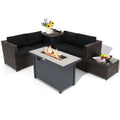
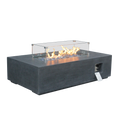
Outdoor Patio Furniture Set Built for All-Weather Comfort, Rust-Proof Aluminum →
Electrical safety matters: check outlets for damage, ensure adequate grounding, and avoid overloading circuits with guest devices. Provide surge protectors to prevent damage to guest electronics.
Pool or hot tub safety requires additional measures: clear signage about depth and rules, properly maintained water chemistry, and safety equipment like rescue rings. Check local regulations, some jurisdictions require specific certifications or inspections.
Structural safety includes secure railings, stable furniture (anchor heavy pieces to walls), and safe flooring. Inspect regularly for loose steps, broken glass, or sharp edges.
Document all safety measures with photos and dates. Keep maintenance records showing inspections, repairs, and upgrades. This documentation protects you legally if an incident occurs.
6. Master Guest Communication and Property Inspection
Clear, timely communication prevents misunderstandings and reduces disputes. Establish a communication protocol that covers pre-arrival, during-stay, and post-checkout touchpoints.
Send a pre-arrival message 48 hours before check-in with WiFi passwords, parking details, check-in instructions, and a welcome note. Include your contact information and preferred communication method. This message sets a professional tone and answers common questions proactively.
During the stay, check in once (day 2-3) to ensure everything is satisfactory. A simple text asking if guests need anything shows attentiveness and catches problems early, a leaky faucet or broken appliance can be fixed before checkout.
Post-checkout communication includes a thank-you message and a request for review. Offer to resolve any concerns they mention. This follow-up builds goodwill and encourages positive reviews.
Property inspections should be documented with photos. Conduct a thorough walk-through before guest arrival (checking for cleanliness, damage, and working utilities) and immediately after checkout (documenting any new damage). Photograph any stains, broken items, or missing amenities. This documentation protects you against false damage claims and helps identify patterns of guest behavior.
7. Optimize Pricing, Occupancy, and Profitability
Pricing strategy directly impacts occupancy and revenue. Many hosts set prices too low, leaving money on the table, while others price too high and attract fewer bookings. Finding the right balance requires data and regular adjustment.
Monitor competitor pricing in your area and market segment. Use dynamic pricing tools that adjust rates based on demand, seasonality, and local events. Prices should be higher during peak travel seasons and lower during slow periods. A property that costs $2,000 per month to operate needs different pricing strategies than one that costs $500.
Occupancy rate, the percentage of nights booked, directly affects profitability. Most hosts aim for 60-75% occupancy, which accounts for turnover time, maintenance, and seasonal fluctuations. Calculate your break-even occupancy rate: total monthly operating costs divided by average nightly rate. If your break-even is 40% occupancy, you have room to adjust pricing downward if needed.
Track key metrics: average nightly rate, occupancy percentage, revenue per available night (RevPAN), and guest acquisition cost. These metrics show whether your pricing and marketing strategy is working.
Consider offering discounts for longer stays (7+ nights) to reduce turnover costs and attract extended-stay guests. Weekly or monthly rates can be 10-20% lower than nightly rates while still improving profitability.
Invest in professional photography and detailed listings. High-quality visuals and clear descriptions reduce booking hesitation and attract premium guests willing to pay higher rates. A listing that converts 15% of views into bookings outperforms one that converts 5%, even at lower prices.
For properties requiring significant furnishing investment, work with a partner like Orvessa Global that understands hospitality design. Their curated collections and volume pricing make it easier to furnish multiple units cohesively without overspending. White-glove delivery and personalized support ensure your properties are set up for success from day one.
Running a successful short term rental requires attention to detail across guest screening, property presentation, cleanliness, safety, communication, and pricing. Each of these areas directly impacts guest satisfaction, repeat bookings, and profitability. The best operators treat their rental like a hospitality business, not just a property listing. This mindset, investing in quality furnishings, maintaining rigorous cleaning standards, communicating proactively, and pricing strategically, separates properties that thrive from those that struggle. Ready to elevate your short-term rental? Learn More about our curated collections and personalized solutions designed specifically for hospitality properties.
Frequently Asked Questions
What should every short-term rental provide for guests?
Every short-term rental should include clean linens, towels, basic toiletries, functional kitchen supplies, Wi-Fi, heating and air conditioning, smoke and carbon monoxide detectors, and clear emergency contact information. Beyond essentials, consider adding extras like a welcome basket, coffee maker, streaming services, and quality furnishings that reflect your property's aesthetic. The goal is to exceed guest expectations and encourage positive reviews, which directly impact your occupancy rate and rental income.
How do you furnish a short-term rental for comfort and durability?
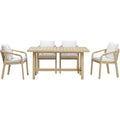
Choose furnishings built to withstand frequent use: high-density foam cushions, rust-proof frames, and stain-resistant fabrics. Invest in pieces that are both stylish and practical, modern designs appeal to guests while durable materials reduce replacement costs. Consider cohesive collections rather than mismatched pieces; a unified aesthetic elevates the guest experience and supports higher pricing. Orvessa Global offers curated luxury furniture sets like the 6-piece aluminum patio furniture and 5-piece dining sets that combine resort-style appeal with weather-resistant construction, perfect for properties with outdoor space.
What is the 80/20 rule for short-term rental profitability?
The 80/20 rule suggests that roughly 80% of your rental income comes from 20% of your guests, often repeat bookers and those who leave positive reviews. Focus on delivering exceptional experiences to maximize this segment. Invest in quality furnishings, responsive communication, and property maintenance to encourage repeat bookings. High guest satisfaction directly increases occupancy rates and allows you to command premium pricing, which multiplies your return on investment over time.
How can short-term rental hosts improve the guest experience?
Improve guest experience through thoughtful furnishing, clear communication, and attention to detail. Provide a welcoming entryway with quality furniture, ensure all amenities work properly, respond to messages within 2 hours, leave detailed house rules, and conduct property inspections between guests. Include personal touches like local restaurant recommendations and quality linens. A well-maintained property with curated furnishings, like those from Orvessa Global, signals professionalism and care, directly leading to higher ratings, more bookings, and increased profitability.